Osteopathy with Dry Needling Brisbane
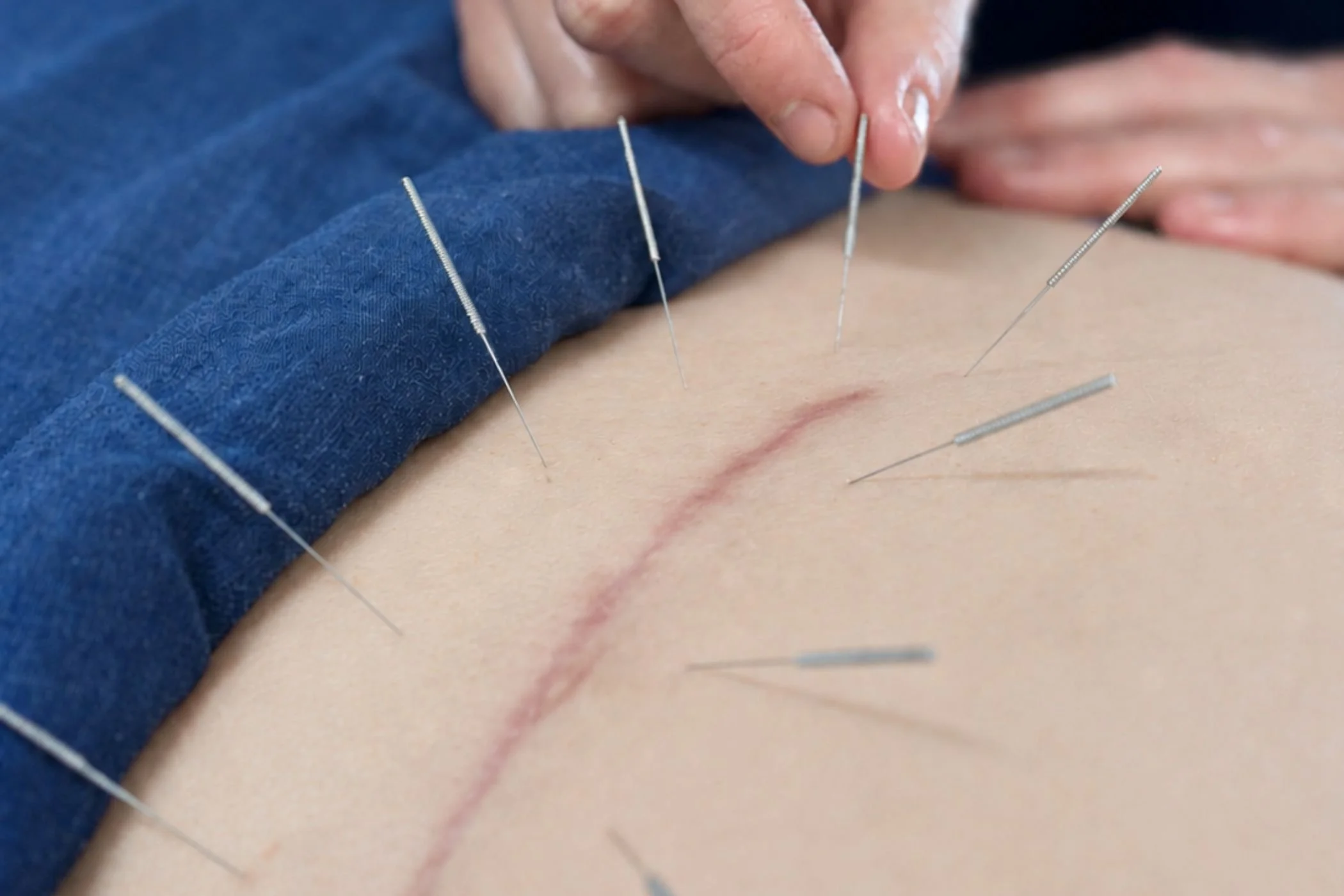
Dry needling is a technique that may be used alongside osteopathic treatment to address muscle tension, trigger points, scar restrictions, tendon irritation, and a range of musculoskeletal conditions.
We find that many patients respond well to dry needling for a range of conditions. Read on to find out what dry needling is, who may benefit, and how Dr Mikaela Ruetschi (osteopath) incorporates dry needling into her osteopathic treatments.
What Is Dry Needling?
Dry needling is a technique that uses fine filament needles, similar to those used in acupuncture, to release myofascial trigger points (MTPs) and tight muscles.
Who May Benefit From Osteopathy With Dry Needling?
Dry needling may be incorporated into treatment for a range of conditions. Mikaela has found the combination to be beneficial for a range of musculoskeletal conditions including, but not limited to:
Scar tissue, including Caesarean and abdominal scars
Rotator cuff and shoulder issues
Ankle, knee and wrist ligament sprains
Tendinitis, including tennis elbow and golfer's elbow
Wrist and RSI problems
Chronic muscular tension
Sciatic and gluteal (buttock) pain
Piriformis syndrome
Whether dry needling is appropriate for you will depend on your individual presentation, goals, and preferences.
How Does Dry Needling Work?
Dry needling is thought to offer benefits through:
Reducing muscle tone or myofascial trigger point sensitivity
Influencing pain signalling through the nervous system
Increasing local blood flow
Creating a neuromuscular "reset" effect in some tissues
While researchers are still exploring exactly how dry needling works, it is thought to influence both local tissue sensitivity and how the nervous system processes pain.
Many people report feeling less muscle tension, improved movement, or greater comfort following treatment. Dry needling is rarely used in isolation and is often combined with hands-on treatment, exercise, and education.
While dry needling is not suitable for every condition or every person, many of Mikaela's patients find it to be a useful addition to their osteopathic treatment plan.
What Are Myofascial Trigger Points?
A myofascial trigger point is more commonly called a "knot" in the muscle, or sometimes you'll just feel stiffness when you move, or an ache that seems to spread into another area of the body.
They develop when muscles remain tense for long periods. This tension can place extra strain on the surrounding joints, tendons, and tissues.
Dry needling may help reduce muscle tension and sensitivity, allowing the muscle to move more comfortably. When combined with osteopathic treatment, exercise, and advice, dry needling can be a useful tool for helping some people return to normal movement and activity.
What Happens During Treatment?
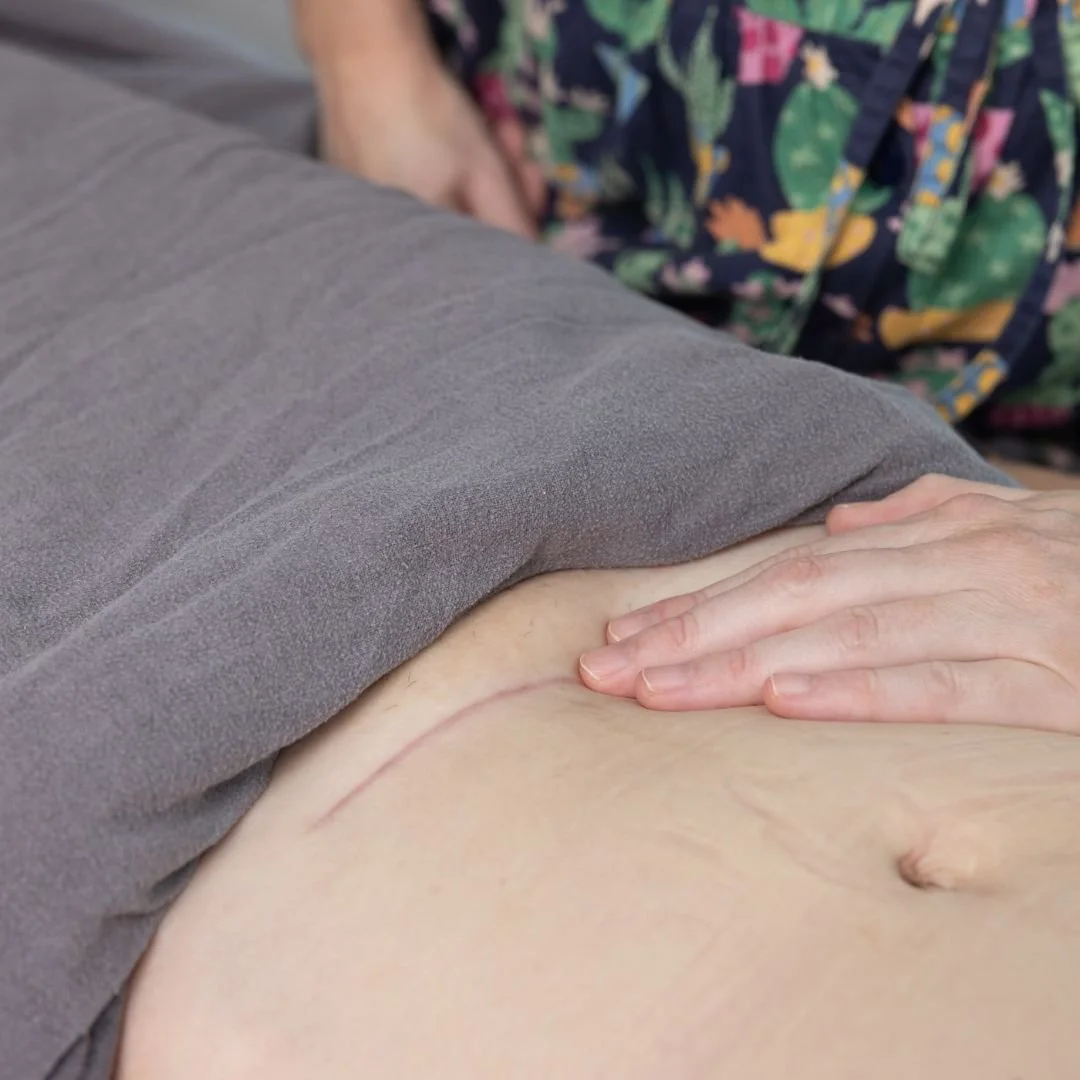
Many people are unsure what to expect from an appointment that includes dry needling.
At Pivot Osteopathy, Mikaela begins by taking the time to understand your story. This includes discussing your symptoms, medical history, goals, daily activities, and any factors that may be contributing to your presentation.
An assessment may include looking at movement, biomechanics, joint mobility, muscle function, and other relevant areas. This helps us understand not only where symptoms are occurring, but also some of the factors that may be contributing to them.
If dry needling is considered appropriate and you are comfortable proceeding, fine needles may be inserted into selected muscles or tissues. Dry needling is often combined with hands-on osteopathic treatment, exercise, movement advice, and education.
Every treatment plan is tailored to the individual. Some people receive dry needling during their first appointment, while for others it may not be required at all.
How Do We Use Dry Needling At Pivot Osteopathy?
At Pivot Osteopathy, dry needling is one of many tools we may use to support your recovery.
We don't simply look for a tight muscle and insert a needle. Instead, we take the time to understand why that muscle may have become tight in the first place.
For some people, muscle tension develops following an injury. For others, it may be related to movement patterns, workload, stress, previous surgery, or how the body has adapted over time.
By understanding the bigger picture, we can create a treatment plan that is tailored to your individual needs.
Dry needling may be combined with hands-on osteopathic treatment, exercises, and practical advice to help improve movement, reduce unnecessary tension, and support your return to the activities that matter most to you.
Mikaela commonly incorporates dry needling into broader osteopathic treatment plans where she feels it may be beneficial and appropriate for the individual.
Does Dry Needling Hurt?
The most honest answer is that "it depends". However, we find that most people don't feel the needle pierce the skin.
People often experience mild discomfort when the needle enters a tight muscle, and they might notice a twitch response, brief muscle cramp, or warming sensation. These responses are generally considered a positive sign that the muscle is responding and beginning to relax.
If you are experiencing pain or the sensations are too uncomfortable, then the needle can be re-positioned or you can choose to do another type of treatment.
Are There Any Side Effects Or Risks?
Dry needling is generally considered safe when performed by appropriately trained healthcare practitioners. As with any treatment, there are potential risks and side effects. The most common side effects are mild muscular soreness and occasional bruising and fatigue.
There are also some situations where dry needling may not be appropriate. Before treatment, Mikaela will discuss your medical history and answer any questions you may have to help determine whether dry needling is suitable for you.
What Makes Pivot Different?
Many manual therapists use dry needling, but what sets Pivot Osteopathy apart is how we apply it.
Dry needling is never viewed as the entire solution. Instead, it is one tool that may be incorporated into a broader osteopathic treatment plan.
At Pivot Osteopathy, Mikaela integrates dry needling into her osteopathic treatments and consistently finds that the two approaches complement each other well.
Our focus is on understanding the whole person, not just the painful area. We take the time to understand your symptoms, goals, lifestyle, and the factors that may be contributing to your presentation.
This whole-person approach allows us to create individualised treatment plans that may include hands-on treatment, exercise and rehabilitation, education, and dry needling where appropriate.
Osteopathy With Dry Needling Brisbane
Looking for osteopathy with dry needling in Brisbane?
Mikaela provides dry needling as part of her osteopathic treatment approach for patients seeking support with scar restrictions, including Caesarean and abdominal scars, muscular tension, trigger points, and a range of musculoskeletal conditions.
Treatment is always tailored to the individual and integrated into a broader assessment and management plan.
Mikaela consults from our Kelvin Grove clinic and sees patients from across Brisbane, including North Brisbane suburbs such as Ashgrove, Newmarket, Red Hill, Stafford, Everton Park, Enoggera, Keperra, and Arana Hills.
Frequently Asked Questions
-
Dry needling may be incorporated into treatment for muscular tension, trigger points, tendon irritation, scar restrictions, sports injuries, and a range of musculoskeletal conditions.
-
Most people do not feel the needle pierce the skin. Some people experience a brief twitch, cramping sensation, or temporary discomfort when a tight muscle is treated.
-
Dry needling and acupuncture both use fine filament needles, but they are based on different treatment approaches. Dry needling is typically used to target muscles, trigger points, and other musculoskeletal tissues.
-
For some people, dry needling may be used as part of a broader treatment approach for Caesarean scars that feel tight, sensitive, or restricted.
-
The number of sessions varies depending on your symptoms, goals, response to treatment, and the factors contributing to your presentation.
-
No. You do not need a referral to see an osteopath for treatment that may include dry needling.
-
Yes. At Pivot Osteopathy, Mikaela commonly combines dry needling with hands-on osteopathic treatment, exercise and rehabilitation, education, and practical advice as part of an individualised treatment plan.

Still have questions? Please contact us or see our FAQs