
Perineal Massage Brisbane
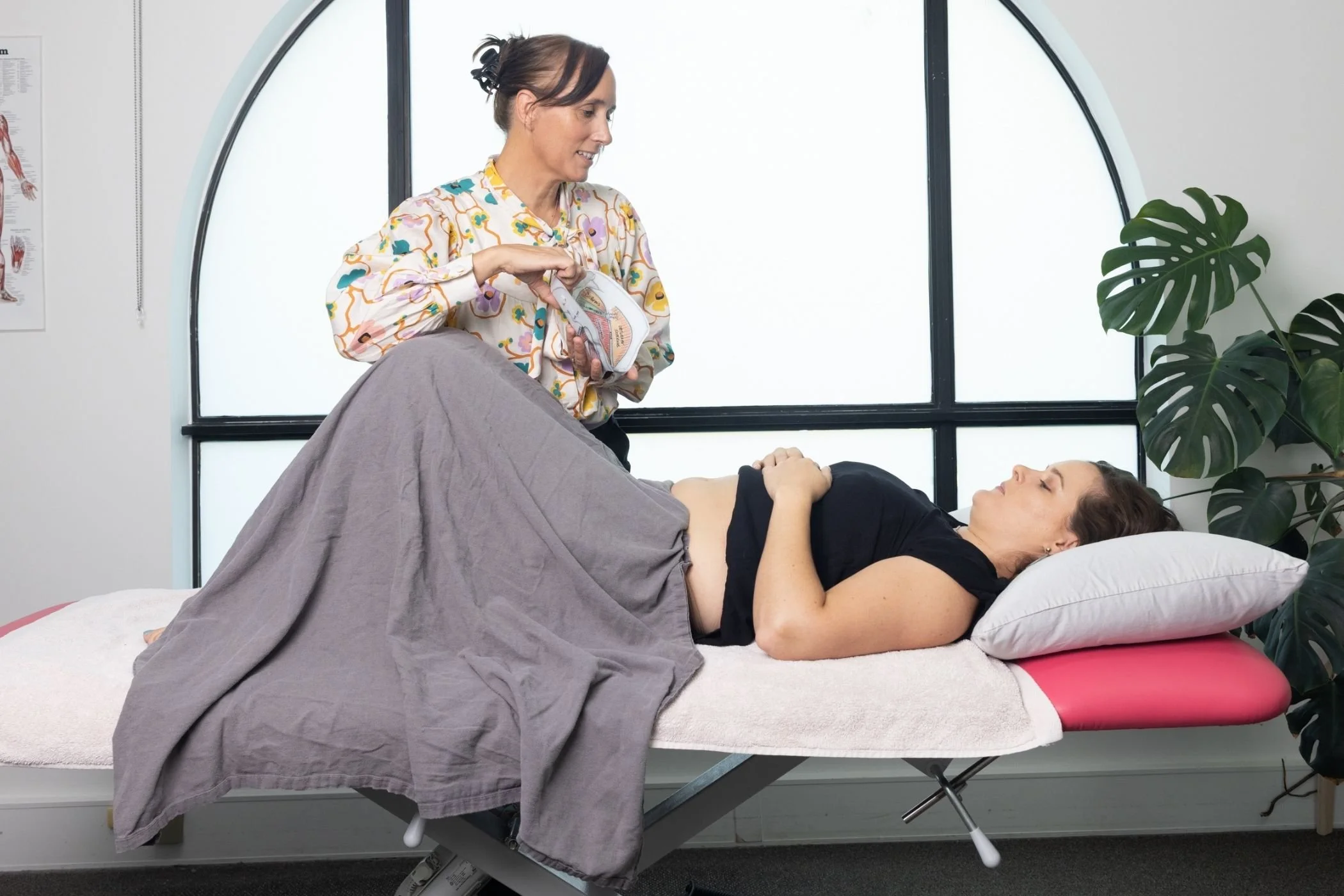
Many mums-to-be find perineal massage a bit daunting at first. Perhaps you're wondering if you're doing it correctly? Maybe finding a comfortable position feels tricky? Or you might be experiencing some discomfort and aren't quite sure why. These feelings are completely normal and gentle, professional guidance can make all the difference in your journey.
Sarah and Elizabeth (Liz) are experienced osteopaths who can either guide you or your partner through the process, or if you prefer, you can receive the treatment directly from their experienced hands.

Benefits of Perineal Massage
21% lower incidence of episiotomies
64% reduced risk of third and fourth-degree perineal tears
Better wound healing
2.39% less likely to have perineal pain during the postnatal period
Reduced second stage of labour
70% less likely to have anal incontinence
Aim of Perineal Massage
Perineal massage is a powerful technique that enhances tissue flexibility while offering much deeper benefits for your birthing journey.
This practice creates a meaningful connection with your perineum, teaching you to harmonise your breath with the sensations you may experience. Learning to soften into the sensation rather than tensing against it becomes an invaluable skill to carry into your birthing space.
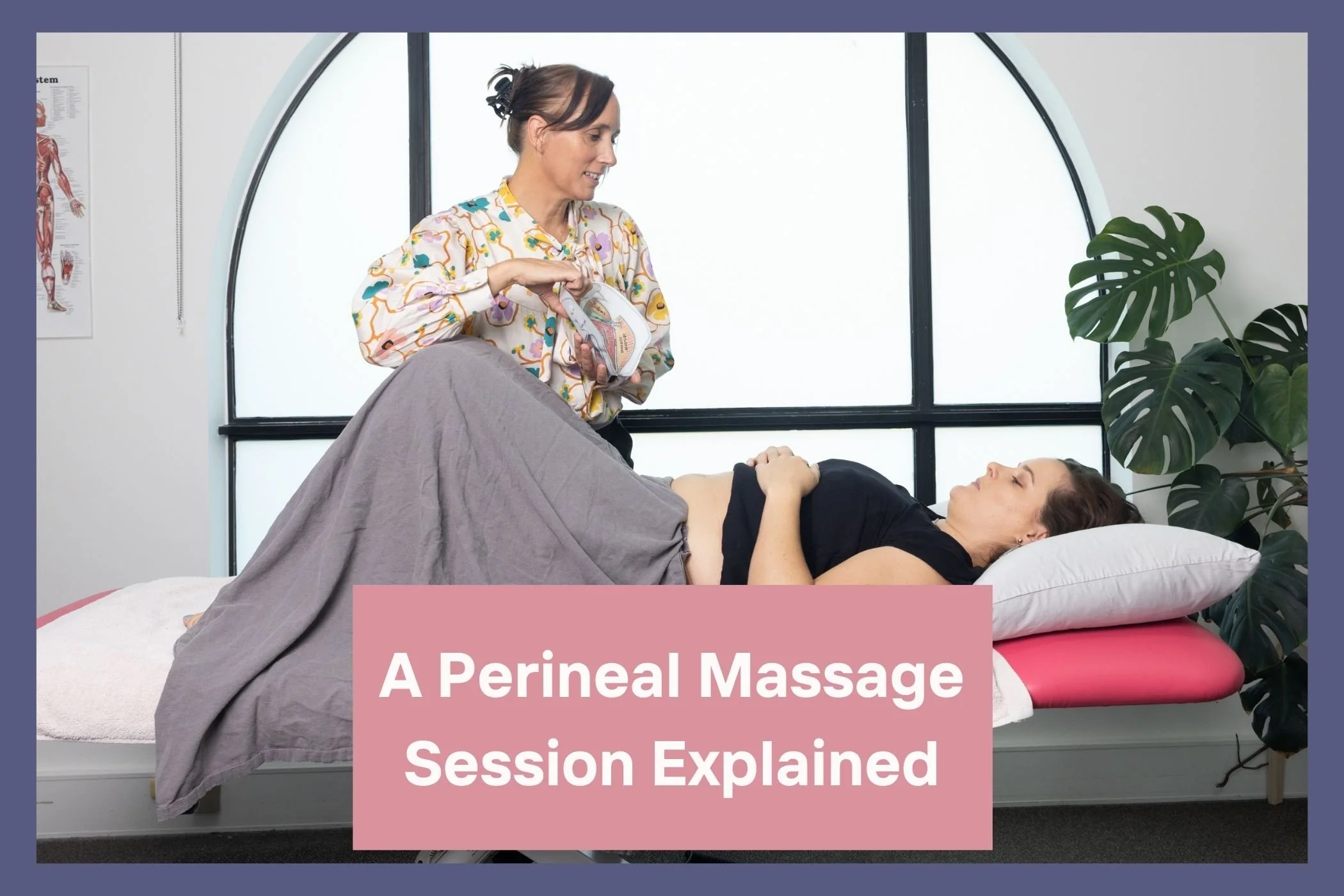
What to Expect from a Perineal Massage Session
Start by telling Us Your Story
We will begin by taking a brief history. There are many factors that can contribute to pelvic floor tension including stress, previous injuries or trauma.
Your Comfort, Privacy and Consent
Your comfort and sense of control are important throughout your appointment. Consent isn't something that's only discussed at the beginning of your session—it's an ongoing conversation.
We'll check in with you regularly, explain what we're doing before we do it, and make sure you're comfortable to continue. We use draping for privacy and we encourage you to ask questions or let us know if you'd like anything adjusted.
If at any point you would like to pause, stop, or choose not to continue with any part of your assessment or treatment, that's completely okay. We'll always respect your decision without question.
The Hands-On Part – You Have Options
Everyone feels differently about perineal massage, and there's no right or wrong approach. Some people prefer their practitioner to perform the massage, while others would like to learn how to do it themselves or involve their partner. We'll discuss your preferences and help you choose the option that feels most comfortable for you.
Option One: Perineal Massage by Your Practitioner
This is an ideal option for those who are not interested in doing it themselves and would prefer to leave it to the experts.
After checking that you're comfortable to continue, your practitioner will gently insert a finger (sometimes two) a short distance into your vagina (approximately 2–4 cm). They will then gently massage your perineum while guiding you through breathing and visualisation techniques to help your pelvic floor relax and encourage your perineal tissues to become more flexible.
Many people also find this an opportunity to become more familiar with the sensations of stretch and learn ways to relax their pelvic floor in preparation for birth.
Depending on your needs, this can be performed once or twice a week.
Option Two: Support in Doing Your Own Perineal Massage
If you'd like to perform your own perineal massage at home but aren't sure where to start, we're here to help.
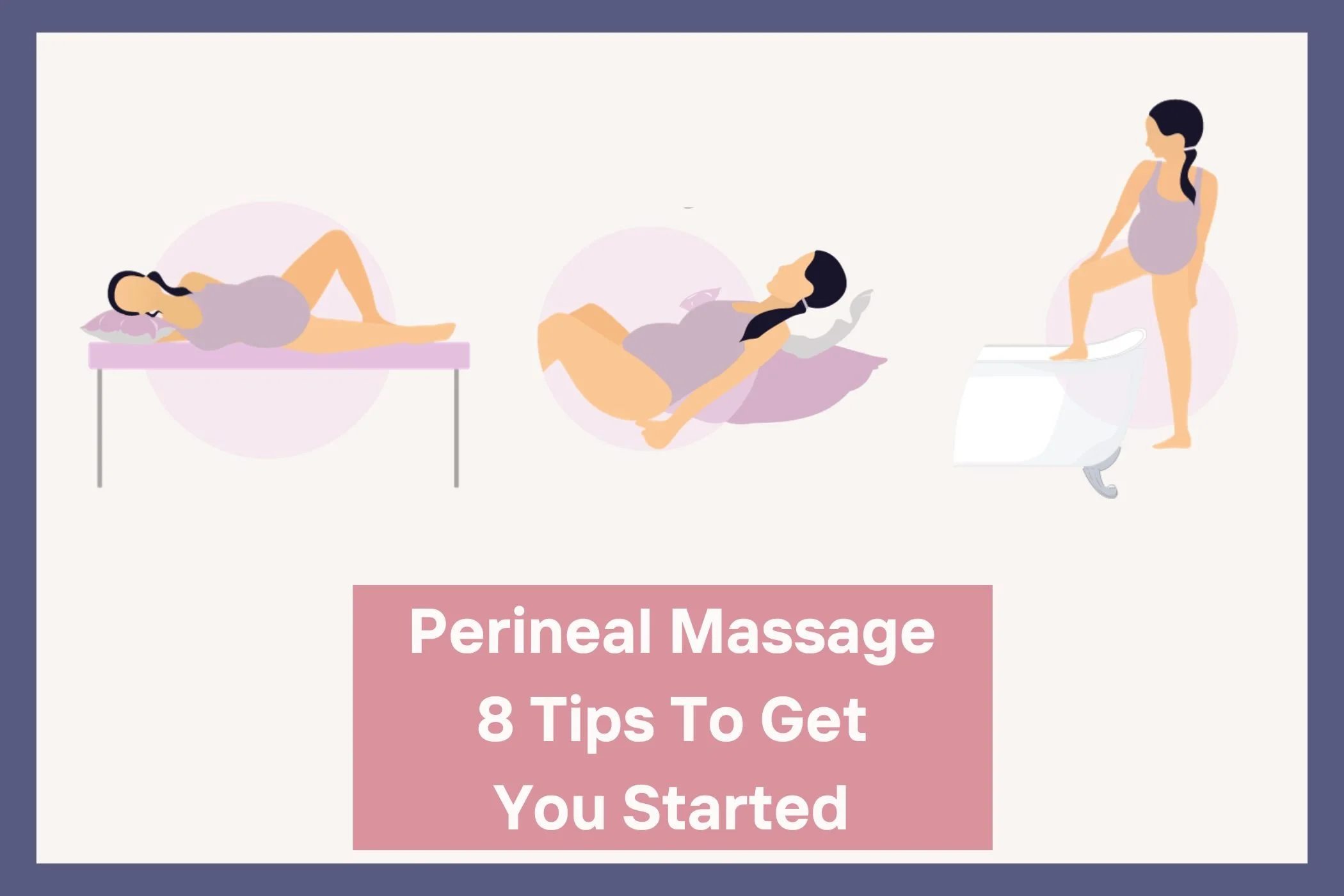
Your practitioner will begin by showing you what a perineal massage feels like (as described above). We will then work with you to find a position that feels comfortable and guide you through the technique, helping you build the confidence to continue at home if you choose.
Option Three: Support with Partner Perineal Massage
Some people choose to have their partner involved in perineal massage, while others prefer not to. Both approaches are completely okay.
If you would like your partner to be involved, your practitioner will begin by showing them what a perineal massage looks like (as described above). They will then work with both of you to find a comfortable position and guide your partner through the technique.
For many couples, this can also be a valuable opportunity to learn how your body responds to sensations of stretch and discomfort, and to explore breathing, positioning and other strategies that may help you relax your pelvic floor and build confidence leading into labour.
Education
Throughout your session we will work with you on different cues, breathing techniques, visualisations and affirmations to identify what your body and pelvic floor responds well to.
This can give you an embodied sense of how you can create more space and flexibility within your perineal tissues.
Please note that during your session, we may recommend coming in for an osteopathic session to help address any factors that may be contributing to your perineal tension. This is completely optional.
Ready to Learn More?
If you're concerned about any pain or discomfort you may be experiencing, or you need further information or support with perineal massage, get in contact with us or book a perineal massage session.
Or check out our blogs for more information.
Frequently Asked Questions
-
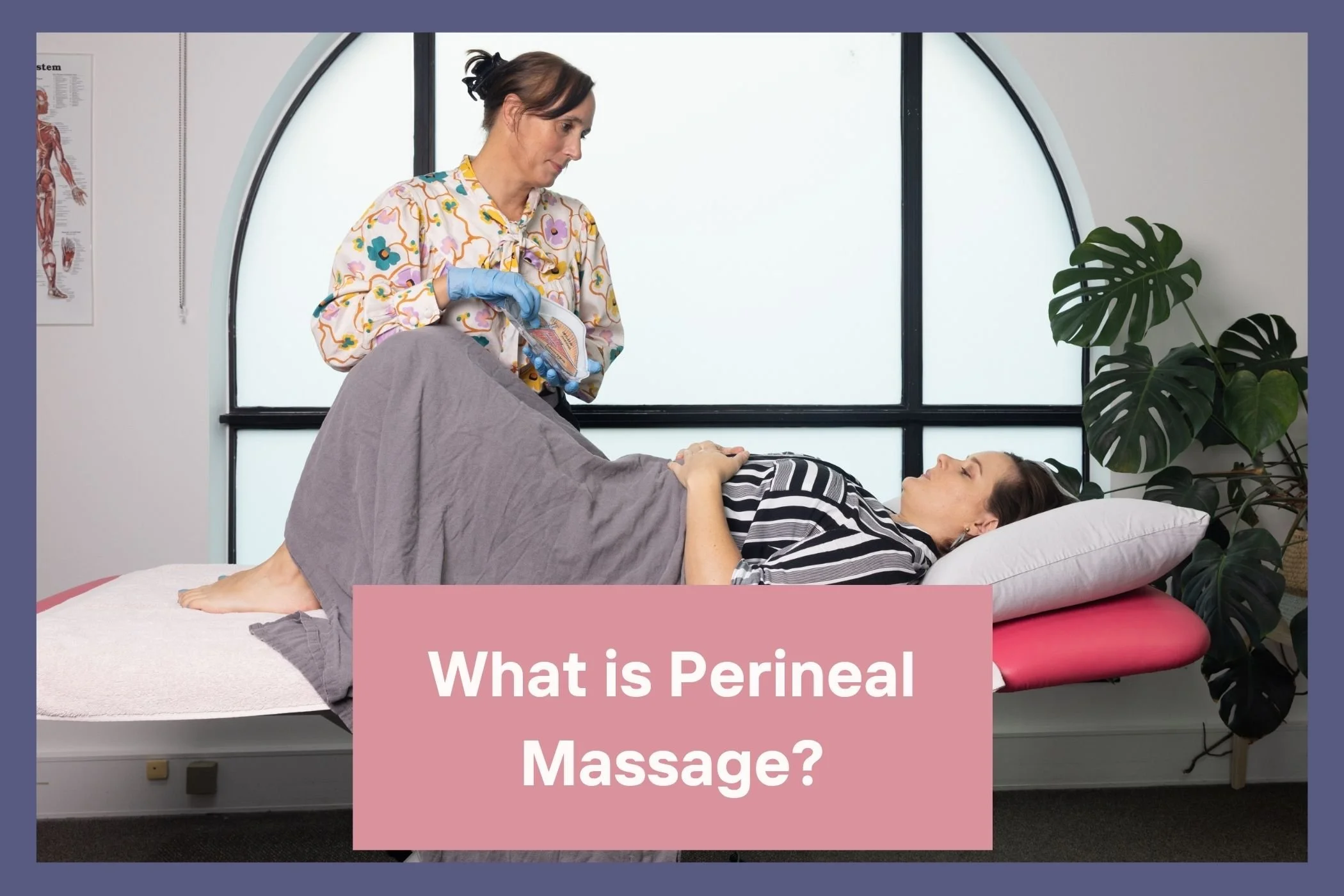
Perineal massage is a technique used during pregnancy to gently massage and stretch the tissues between the vaginal opening and the anus (the perineum). The aim is to improve the flexibility of these tissues while helping you become more familiar with the sensations of stretch you may experience during birth.
Many people also find that perineal massage is an opportunity to practise breathing, relaxation and pelvic floor awareness, which can help build confidence leading into labour.
-
Perineal massage is generally recommended from around 34–35 weeks of pregnancy, provided there are no medical reasons why it should be avoided.
Your healthcare provider can advise whether it is appropriate for you. If you're unsure, we're happy to discuss your individual circumstances before getting started.
-
Yes. At Pivot Osteopathy, Sarah and Liz can perform perineal massage as part of your birth preparation. They can also teach you or your partner how to perform the technique safely and comfortably at home.
Before any internal treatment, we'll explain what to expect, answer your questions, and ensure you feel comfortable to continue. Consent is an ongoing conversation throughout your appointment.
-
Absolutely. Some people prefer to perform perineal massage themselves, while others find it helpful to have their partner involved. There is no right or wrong approach.
During your appointment, we can guide your partner through the technique, help you both find comfortable positions, and explore breathing and relaxation strategies together. Many couples find this helps build confidence and communication leading into labour.
-
Perineal massage shouldn't be painful, although it's common to notice sensations of stretching or mild discomfort, particularly when you're first starting.
During your appointment, we'll help you recognise the difference between a comfortable stretch and pain, while teaching breathing and relaxation techniques that encourage your pelvic floor to soften. The massage should always be performed within your comfort levels.
-
Research generally recommends performing perineal massage two to three times each week during the final weeks of pregnancy.
If you're attending professional sessions, your osteopath will discuss a schedule that best suits your needs and birth preparation goals.
-
Yes. Many people feel unsure about perineal massage when they first begin. You might be wondering if you're doing it correctly, finding it difficult to reach comfortably, or simply feeling uncertain about the idea of internal massage.
These feelings are completely normal. Our role is to provide a calm, supportive environment where you can ask questions, learn at your own pace, and choose the approach that feels right for you.
-
Your appointment begins with a discussion about your pregnancy, any symptoms you're experiencing, and your birth preparation goals.
If you choose to proceed with an internal assessment or treatment, we'll explain each step before we begin, check in with you throughout the session, and use draping to maintain your privacy. Depending on your preferences, we can perform the massage, teach you how to do it yourself, or guide your partner through the technique.
Throughout the appointment, we'll also explore breathing, visualisation and relaxation strategies to help your pelvic floor soften and prepare for birth.
-
Perineal massage is suitable for many people during the final weeks of pregnancy, but it isn't appropriate for everyone.
Certain pregnancy complications or medical conditions may mean that perineal massage should be delayed or avoided. If you're unsure whether it's suitable for you, we recommend discussing it with your healthcare provider or contacting us before booking.
-
Not necessarily.
Many people book a perineal massage appointment on its own. However, if we identify other factors that may be contributing to pelvic floor tension—such as hip or pelvic discomfort, previous injuries, muscle tension or movement restrictions—we may recommend an osteopathic appointment as an additional option.
This is entirely your choice. If we think osteopathic treatment could support your birth preparation, we'll explain why and discuss the options with you.
-
Research suggests that perineal massage during the final weeks of pregnancy may reduce the likelihood of more significant perineal tears and episiotomies for some people. It may also help reduce perineal pain following birth.
During your appointment, your osteopath may also assess aspects of your pelvic floor using measurements that form part of the POP-Q (Pelvic Organ Prolapse Quantification) assessment, such as the length of your perineal body and the width of your genital opening (genital hiatus). These measurements don't predict whether you will tear during birth, but they can provide additional information about your pelvic floor anatomy and tissue characteristics. Combined with an assessment of how your tissues respond to gentle stretch, they may help guide your birth preparation and perineal massage approach.
It's important to remember that every labour and birth is different, and many factors influence whether tearing occurs. Baby size and position, the speed of birth, the use of instruments, your previous birth history, tissue characteristics and many other factors all play a role. Perineal massage is one of several strategies that may help prepare your body for birth and improve your confidence during labour.

Still have questions? Please contact us or see our FAQs