
Osteopathy and Mastitis Care
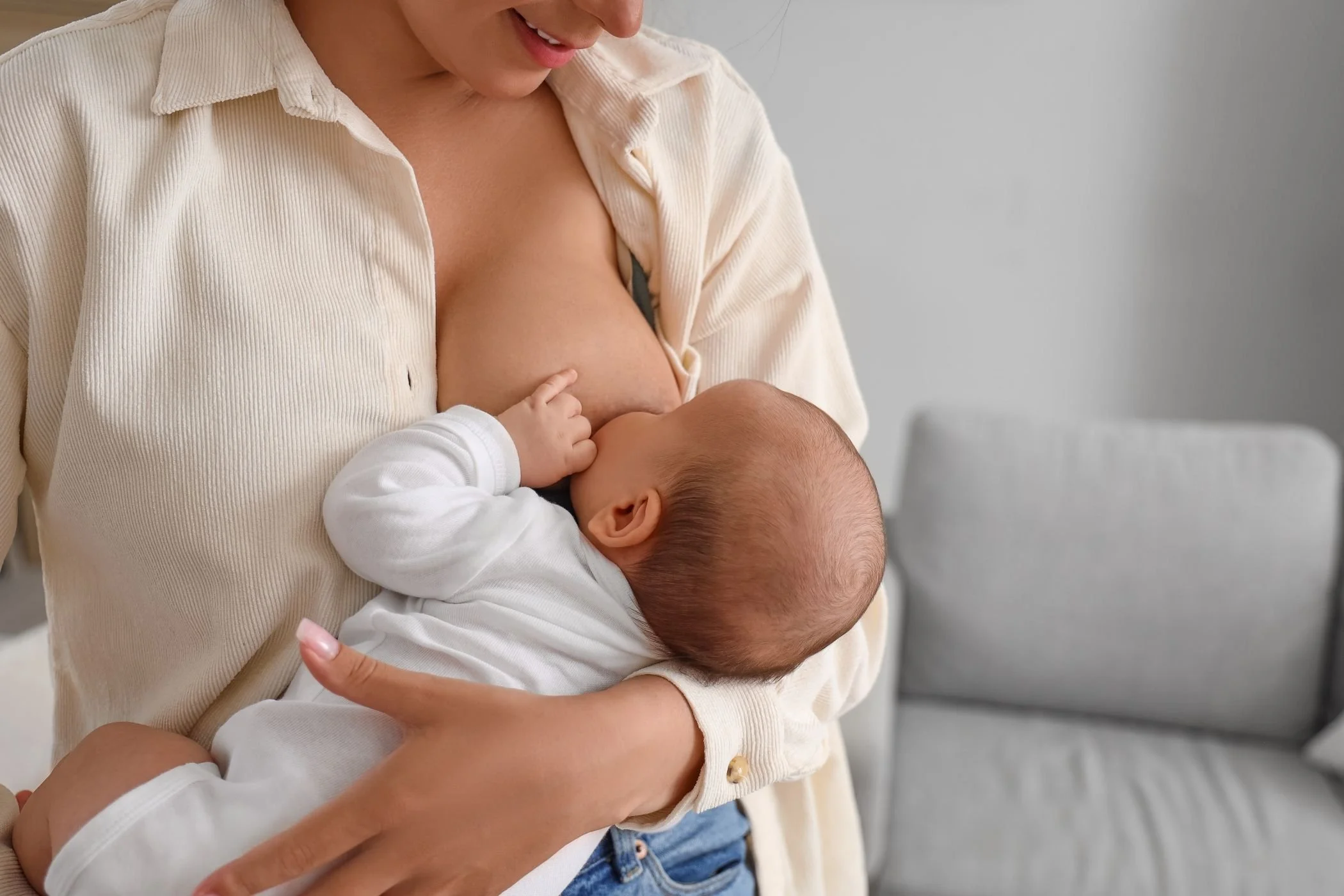
Mastitis can come on quickly. If you're a breastfeeding mum, you may have experienced the sudden hot, aching pain and flu-like symptoms before, or this may be your first time.
At Pivot Osteopathy, we provide gentle, supportive care for people experiencing mastitis. Treatment may include lymphatic drainage techniques, therapeutic ultrasound, hands-on treatment of the surrounding muscles and joints, and guidance to help you feel more comfortable while you recover.
Osteopathic care does not replace the role of your GP, lactation consultant or other medical practitioners. Instead, we provide care as part of a broader, collaborative approach to mastitis treatment.
What Is Mastitis?
Mastitis means inflammation of the breast tissue. It can occur with or without a bacterial infection.
Current understandings of mastitis suggest that it often begins with inflammation and swelling around the milk ducts. This can narrow the space available for milk to move through the breast, contributing to localised pain, firmness, redness and swelling.
For some people, the inflammation remains within one area of the breast. For others, it may be more widespread, causing fever, chills, body aches or other flu-like symptoms.
These symptoms can be part of the body’s inflammatory response and do not always mean that a bacterial infection is present. However, bacterial mastitis can sometimes develop and may require antibiotics.
Read more about inflammatory versus bacterial mastitis here.
Signs and Symptoms of Mastitis
Mastitis can feel different for everyone. Signs and symptoms may include:
A tender, painful or firm area within the breast
Breast swelling
Redness or a rash over the affected area
Increased warmth within the breast
Pain during feeding or expressing
Discomfort when lifting your arm or lying on the affected side
Fever or chills
Body aches or flu-like symptoms
An increased heart rate
Feeling tired or generally unwell
Symptoms often develop quite rapidly. If your symptoms are severe, worsening or not beginning to improve within 12–24 hours, it is important to see your doctor, as you may need antibiotics.
Seek urgent medical care if you experience confusion, fainting, difficulty breathing, persistent vomiting or other signs of severe illness.
When Might You See an Osteopath for Mastitis?
We find that people come to see us because they are experiencing:
A painful, swollen or firm area in the breast
Discomfort when feeding or expressing
Recurrent areas of breast inflammation
Difficulty finding a comfortable feeding position
Neck, shoulder, upper-back or rib discomfort related to feeding
Breast swelling that may benefit from gentle lymphatic support
Persistent symptoms despite beginning appropriate home or medical care
Questions about how to care for the affected area without making the inflammation worse
A desire for preventative care if they feel that their body positioning or lymphatic drainage has contributed to them developing mastitis in the past
There is no single approach that is right for everyone. Your osteopath will consider what has been happening with feeding, your symptoms, your general health and any care you have already received.
How Do Osteopaths Support Mastitis Recovery?
Osteopaths provide additional support when you have mastitis. We can help you understand what you can do at home and address tension in your body that may be contributing to your discomfort. We also offer therapeutic ultrasound and gentle lymphatic drainage techniques, which some people find helpful.
Treatment may include a combination of:
Lymphatic drainage techniques
Therapeutic ultrasound
Treatment of the muscles and joints around the chest, ribs, back, neck and shoulders
Support with finding more comfortable feeding positions
Guidance about caring for an inflamed breast
Helping you understand what may be contributing to you getting mastitis and if there is anything you can do to reduce the likelihood of future episodes
Note that osteopathic care is an additional form of support rather than a replacement for medical care or working with a lactation consultant. If you’re unsure, we can help you identify if you need to seek urgent care or see a lactation consultant for breast-feeding support.
Lymphatic Drainage Techniques
When breast tissue is inflamed, fluid can accumulate within and around the affected area. This swelling may place further pressure on the milk ducts and contribute to pain and firmness.
Lymphatic drainage uses very light, gentle movements over the skin to encourage fluid movement towards the lymph nodes around the breast and armpit.
Note that lymphatic drainage is quite different from deep breast massage.
Firm massage, squeezing or attempting to forcefully push a “blockage” towards the nipple is no longer recommended as a treatment for mastitis. Firm massage may further irritate delicate breast tissue, which could increase swelling and make symptoms worse.
Therapeutic Ultrasound
Therapeutic ultrasound may be included in your treatment when appropriate.
It uses high-frequency sound waves that pass into the tissues beneath the skin. This creates gentle mechanical movement within the tissues and may produce a mild local warming effect. It is thought that these effects may help support fluid movement and circulation through the affected area.
Therapeutic ultrasound is generally painless. A conductive gel is applied to your skin, and the ultrasound head is moved gently over the area being treated—similar to the experience of having a diagnostic ultrasound.
You may notice a mild feeling of warmth, but you will not usually feel the sound waves or any vibration.
Therapeutic ultrasound is normally used for a short period as part of a broader treatment approach. Current research is promising but limited, so we do not present ultrasound as a stand-alone treatment or a replacement for medical care.
Musculoskeletal Treatment for Your Upper Back, Ribs and Shoulders
Breastfeeding and expressing can involve spending long periods in the same position, often while looking down and holding your baby.
When feeding is uncomfortable, you may also find yourself holding your body differently without realising it. This can contribute to tension through your:
Neck and shoulders
Upper and mid-back
Ribs and chest
Arms and wrists
Your osteopath may assess and treat these areas to help you move more comfortably and find feeding positions that place less strain on your body.
Although treating these areas does not directly treat mastitis, it may help make feeding and caring for your baby feel more manageable while you recover.
Helping You Find More Comfortable Feeding Positions
There is not one perfect feeding position that works for every parent and baby.
Sometimes, a small change to the way your arms, pillows, baby or breast are supported can make feeding more comfortable. Your osteopath may help you explore positions that reduce pressure on the painful area and feel more manageable for your body.
If there are concerns about milk transfer, latch, oversupply, pumping or your baby’s feeding, we may also recommend assessment by an International Board Certified Lactation Consultant (IBCLC).
Sometimes it is helpful to have your baby assessed too. We support babies with tongue tie and other musculoskeletal issues than can create suboptimal feeding postures.
What Happens During an Appointment?
Your appointment begins with a conversation about what has been happening.
Your osteopath may ask about:
When your symptoms began
How quickly they developed
Where you are experiencing pain, firmness or swelling
Whether you have fever, chills or other whole-body symptoms
Your baby’s feeding patterns and any feeding concerns such as tongue tie or neck tension
Whether you are breastfeeding, expressing or combining the two
Previous episodes of mastitis or breast inflammation
Any advice, medication or treatment you have already received
Other areas of discomfort, including your neck, shoulders, ribs or back
Your osteopath will then consider whether osteopathic care is appropriate or whether you should seek medical assessment first.
If treatment is suitable, it will be adapted to your symptoms and comfort. This may include treatment of the affected breast, gentle lymphatic techniques, therapeutic ultrasound and treatment of the surrounding muscles and joints.
Your osteopath will explain any assessment or treatment involving the breast before it begins and ask for your consent. We understand that breast assessment and treatment can feel vulnerable, particularly when you are already sore and unwell.
You can ask questions, request changes or withdraw your consent at any time.
Mastitis Care at Pivot Osteopathy
Mastitis can be painful, exhausting and emotionally difficult—particularly when feeding is already feeling challenging.
Appointments are available at our Kelvin Grove clinic for families across Brisbane and the surrounding areas.
If you have mastitis and would like to know whether osteopathic care may be suitable, you are welcome to contact us.
Book an appointment for osteopathy and mastitis care at Pivot Osteopathy.
Frequently Asked Questions About Mastitis Care
-
Early home care generally focuses on calming inflammation and avoiding further irritation to the breast.
You may find it helpful to:
Apply a covered cold pack to help with pain and swelling
Continue breastfeeding according to your baby’s usual feeding cues
Continue your usual expressing routine if your baby does not feed directly from the breast
Express a small amount of additional milk for comfort if needed
Rest as much as you can
Eat regularly and stay adequately hydrated
Wear a comfortable, supportive bra that does not place concentrated pressure on the breast
Avoid deep massage, vigorous squeezing and vibrating massage devices
Paracetamol or an anti-inflammatory medicine such as ibuprofen may help with pain and inflammation if it is safe for you. Always follow medication directions and speak with your GP or pharmacist if you are unsure whether a medicine is appropriate.
Some supplements, including lecithin and particular probiotic strains, are sometimes recommended for recurrent breast inflammation. Research in these areas is still developing, so it is worth discussing them with your GP, pharmacist or lactation consultant.
-
It is generally safe to continue breastfeeding and provide breast milk when you have mastitis.
Try to continue feeding according to your baby’s usual cues rather than repeatedly feeding or pumping in an attempt to completely “empty” the breast. Frequently removing more milk than your baby needs may stimulate additional milk production and contribute to further swelling for some people.
If you are expressing, continue with your usual routine. You may express a small additional amount if needed for comfort, but the aim is not to forcefully empty the breast.
If pain, swelling or difficulties with latch are affecting feeding, a lactation consultant can help you find an approach that suits you and your baby. We work with many lactation consultants, so we can assist you in finding one if needed.
-
Deep or forceful breast massage is NOT recommended for an inflamed breast.
Firm pressure, squeezing or trying to push a “blockage” towards the nipple can irritate the breast tissue, increase swelling and potentially worsen symptoms.
Very light, gentle sweeping movements over the skin towards the armpit may help encourage lymphatic fluid movement. This should not be painful.
If you are unsure how much pressure to use, an osteopath or lactation consultant can guide you.
-
Not all mastitis requires antibiotics.
Inflammatory mastitis can cause breast redness, pain, swelling, fever and flu-like symptoms without a bacterial infection. For some people, these symptoms begin to improve with appropriate conservative care.
Bacterial mastitis requires antibiotics. A GP can assess your symptoms and determine whether antibiotics or further investigation may be needed. If we feel that you may have bacterial mastitis, we will refer you to your GP. However, many of the mums we see find that they still benefit from hands-on care to support their body even when on antibiotics.
If antibiotics are prescribed, your GP or pharmacist can advise you about their use while breastfeeding. It is generally safe to continue breastfeeding with mastitis, including while taking many commonly prescribed antibiotics.
-
Arrange medical assessment if:
Your symptoms are severe or worsening
You feel acutely or significantly unwell
Redness appears to be spreading
You are not beginning to improve within approximately 12–24 hours
Fever or flu-like symptoms persist
You have a lump that is becoming more defined or is not improving
Your symptoms improve and then return
You experience repeated episodes of mastitis
You are concerned about a bacterial infection
You are worried about your symptoms at any stage
A persistent or increasingly defined lump may require medical assessment and breast imaging to investigate for a phlegmon, abscess or another breast condition.
Seek urgent medical care if you experience confusion, delirium, fainting, difficulty breathing, persistent vomiting or other signs of severe illness.
-
Mastitis care may involve several health professionals.
A GP can assess whether you may have bacterial mastitis, prescribe antibiotics when needed and arrange imaging or specialist care if there are concerns about an abscess or another breast condition.
An International Board Certified Lactation Consultant, child health nurse or another appropriately trained lactation professional may help with:
Your baby’s latch and milk transfer
Feeding positions
Oversupply or hyperlactation
Expressing routines
Breast-pump fit and settings
Nipple-shield use
Recurrent episodes of breast inflammation
An osteopath may provide additional support with lymphatic drainage, therapeutic ultrasound for mastitis, feeding-related discomfort and tension through the ribs, back, neck and shoulders.
The right combination of care will depend on your symptoms and individual feeding situation.
-
Therapeutic ultrasound is generally painless.
A conductive gel is applied to the skin, and the ultrasound head is moved gently over the affected area. You may notice a mild feeling of warmth, but you will not usually feel vibration or movement within the breast.
The treatment should not feel forceful or uncomfortable. If the area is particularly sensitive, your osteopath can adjust the treatment or stop at any time.

Still have questions? Please contact us or see our FAQs