

Pelvic Health
Pelvic health issues are common
but you don’t need to suffer in silence.
We know that navigating the healthcare system can be challenging, especially in the areas of pelvic floor dysfunction and pelvic pain. It can feel embarrassing or scary to talk about pelvic health issues, but in most cases there are things that you can do to improve your symptoms.
What does a pelvic health assessment look like?
What is Osteopathy for pelvic health?
Got Questions? We’ve Got You.

-
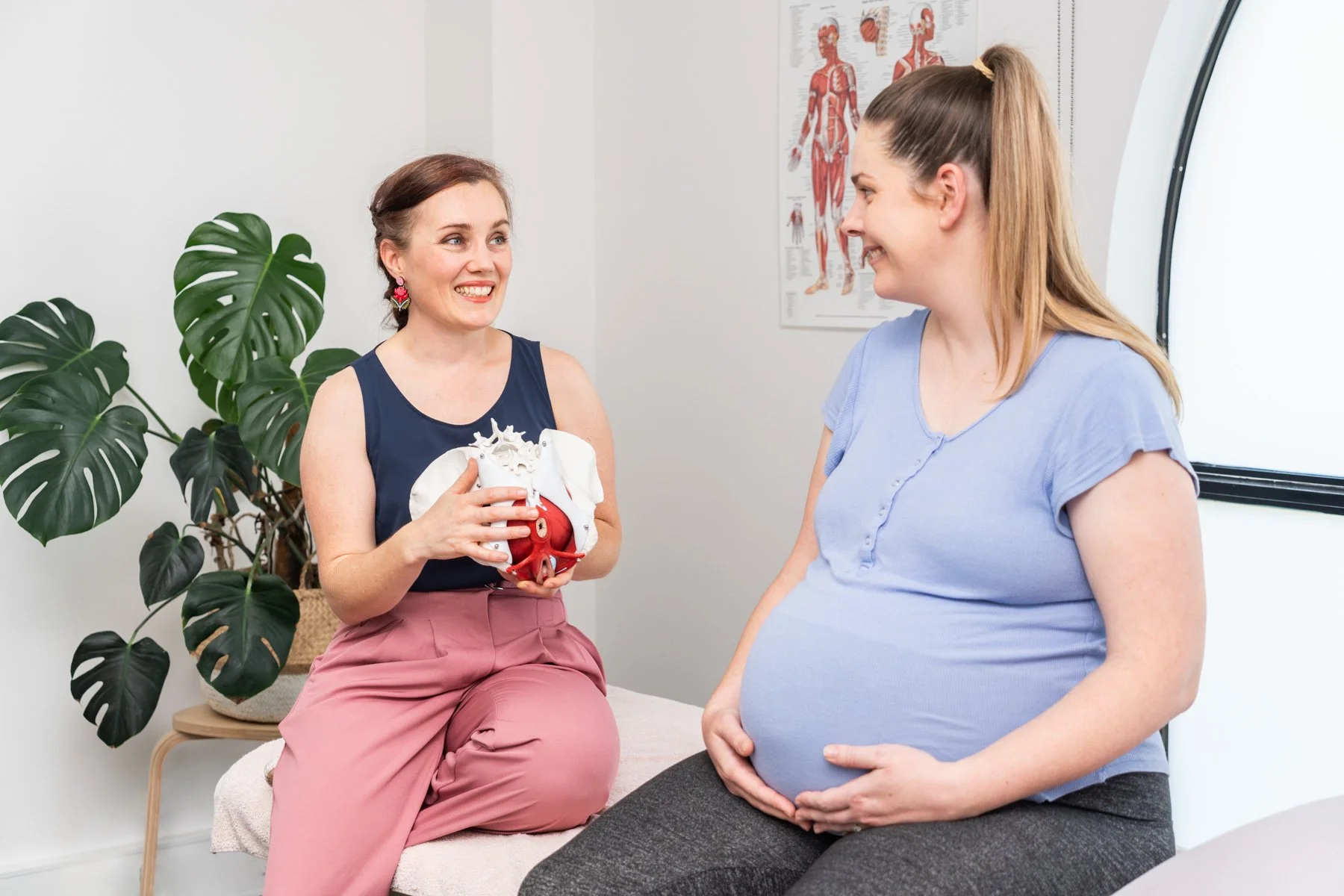
The pelvic floor is a group of muscles, ligaments, and connective tissues that provide support to your pelvic organs, including the bladder, uterus, and bowel. Like other muscles in the body, sometimes it can come under strain and needs extra support to function well.
The muscles and joints around it are also important for the pelvic floor to function well. The hips, feet, low back, diaphragm and abdominal muscles are all important to support your pelvic floor to function at its best.
Too much tension in the pelvic floor can cause as many issues as having a weak pelvic floor so it’s important to identify what type of issue you have.
-
Symptoms can include things such as:
Accidental leakage (stress urinary incontinence)
Rushing to go to the toilet (urgency)
Going to the toilet frequently
Leaking urine on the way to the toilet
Difficulty starting the flow of urine
Not feeling like you empty your bladder properly
Constipation or Straining to open bowels
Soiling pants
Pelvic pain
Painful sex (dyprenia)
Pain using or unable to use a tampon due to pain
Involuntary pelvic floor spasm
Genital pain, Vulval pain, vaulvodynia
Pelvic pain associated with endometriosis, IBS, SIBO, LIBO, pelvic inflammatory disease
Pain that is worse with a full bladder (bladder pain syndrome / interstitial cycstitis)
Tailbone (coccyx) pain
Pelvic girdle pain
-
Tight pelvic floors and weak pelvic floors often present with similar symptoms because a tight pelvic floor doesn’t mean a strong pelvic floor! A pelvic floor that is constantly engaged often doesn’t have the ability to increase its strength at times when we need it, like when, coughing, sneezing and lifting. The pelvic floor is a muscle, and like all muscles, increased tension can lead to weakness over time.
Tight pelvic floors can be associated with pain during sex, although there are other things that can lead to painful intercourse.
A common message is that we need to strengthen our pelvic floor, but all muscles should be able to tense and relax and the pelvic floor is no exception.
-
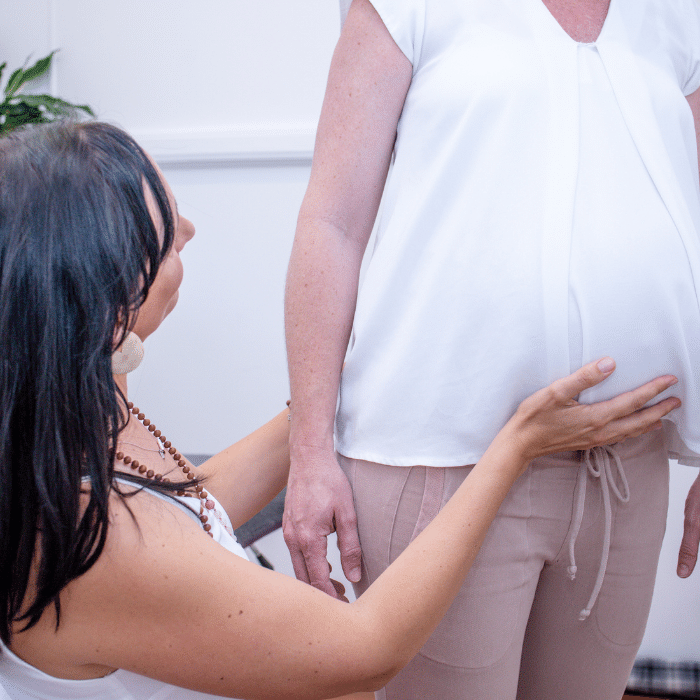
As osteopaths we take a whole person approach, meaning that we look at how your body is working as a whole and well as other lifestyle factors that can impact the pelvic floor. We assess the pelvic floor and then look beyond it for any potential imbalances within the musculoskeletal system that may be impacting the function of your pelvic floor.
We are proud to be among the few Osteopaths in Australia who have been trained in pelvic floor assessment, both internal and external. We believe that we are able to combine the best of traditional pelvic floor physiotherapy methods with the Osteopathic view of the whole person.
Our goal is to provide a safe, comfortable, judgement-free space for you to express your pelvic health concerns. We know this can be difficult at times, but we are here to support you in your journey towards achieving your health goals, through; osteopathic hands-on treatment, pelvic floor muscle therapy, pelvic floor muscle exercises, education, movement, breathwork, mindfulness and/or lifestyle changes.
-
Absolutely! Osteopaths take a more global approach to the body. As we treat the pelvic floor both internally and externally, we often work alongside our patient’s pelvic health physios. Sometimes patients will have a pelvic health physiotherapist for internal work, but they feel that there are other issues in their body. This is where seeing an Osteopath with a deep understanding of pelvic health can be useful. We can work alongside your pelvic floor physio to help you get a whole body approach to your issue.
-
Absolutely! Investing in your pelvic floor health can lead to big changes in your body and can also affect how you show up in life. We know that many pelvic floor issues are complex, so we can work with your team. Or we can help you build your team if you don’t have one already.
Take the first step toward a healthier, more comfortable you. Still have questions?
Our appointments are 40 to 60 minutes long. We run longer sessions because we know how important it is to take the time to understand you and ensure that you understand your problem.
Here’s how to get started
1.
Book an appointment
Choose a time that suits you on the button below.
2.
Meet your osteopath
We’ll take time to understand your story and goals.
3.
Feel supported
Begin a treatment plan that helps you live better.