
How Can Therapeutic Ultrasound Help With Mastitis?
If you're breastfeeding and suddenly hit with a hot, aching breast and flu-like chills, you're not imagining things — this is mastitis, and it tends to strike right when you're already running on empty.
Mastitis can make even simple tasks feel overwhelming. Symptoms such as breast pain, swelling, firmness, redness, warmth, and feeling generally unwell are common. It’s not always clear what your options are. Do you need antibiotics, or do you just need to rest and continue feeding?
If you've found yourself searching, "Can ultrasound help mastitis?" or “How to treat mastitis,” you're not alone.
At Pivot Osteopathy, therapeutic ultrasound is one of the tools we can use to support people experiencing mastitis, alongside other techniques.
What Is Mastitis?
Mastitis is inflammation of the breast tissue that commonly occurs during breastfeeding. It often develops when milk isn't draining effectively from part of the breast, leading to increased pressure and inflammation.
More recently, researchers have recognised that not all mastitis is the same. Some people develop inflammatory mastitis, while others develop bacterial mastitis, where an infection is present.
Understanding the difference is important because treatment may vary. We explain this in more detail in our blog: Inflammatory vs Bacterial Mastitis: What's the Difference?
What Is Therapeutic Ultrasound?
Therapeutic ultrasound (TUS) is a well-established treatment that uses sound waves to reach tissues beneath the skin and support the body's natural healing processes.
It is gentle, non-invasive, and has been used for many years in the management of a range of soft tissue conditions.
For people experiencing mastitis, therapeutic ultrasound may help by supporting circulation, reducing tissue congestion, and encouraging the movement of fluid through the affected area.
At Pivot Osteopathy, we use both 1 MHz and 3 MHz settings depending on the tissues being treated.
1 MHz reaches deeper tissues and may be more suitable when symptoms are affecting deeper breast tissue.
3 MHz works more superficially and may be chosen when symptoms are closer to the skin's surface.
We will determine which setting is most appropriate based on your assessment.
How Might Therapeutic Ultrasound Help Mastitis?
Research suggests therapeutic ultrasound may be a helpful addition to mastitis management for some people, particularly when combined with appropriate breastfeeding support and other recommended care.
Therapeutic ultrasound works through two main effects.
Mechanical Effects
The sound waves create gentle vibrations within the tissues. These mechanical effects may help reduce tissue congestion, encourage movement of fluid through the breast, and support milk flow through the affected area.
Thermal Effects
Therapeutic ultrasound also produces gentle warming within the tissues. This warmth may help relax tension in the breast and surrounding muscles while supporting blood flow and lymphatic drainage, which can contribute to greater comfort (Engel, Willy & Fuller, 2025).
At Pivot Osteopathy, therapeutic ultrasound is typically combined with hands-on osteopathic treatment and education to provide a comprehensive approach to care.
What Happens During Treatment?
Your appointment begins with a thorough discussion about your symptoms, your breastfeeding experience, and your overall health.
We will assess the affected breast, as well as factors that may influence feeding, including your posture, neck and upper back tension, and whole-body movement where appropriate.
We also find it helpful to understand how you and your baby are working together. Sometimes babies can have issues such as torticollis or tongue ties that make feeding harder for both of you.
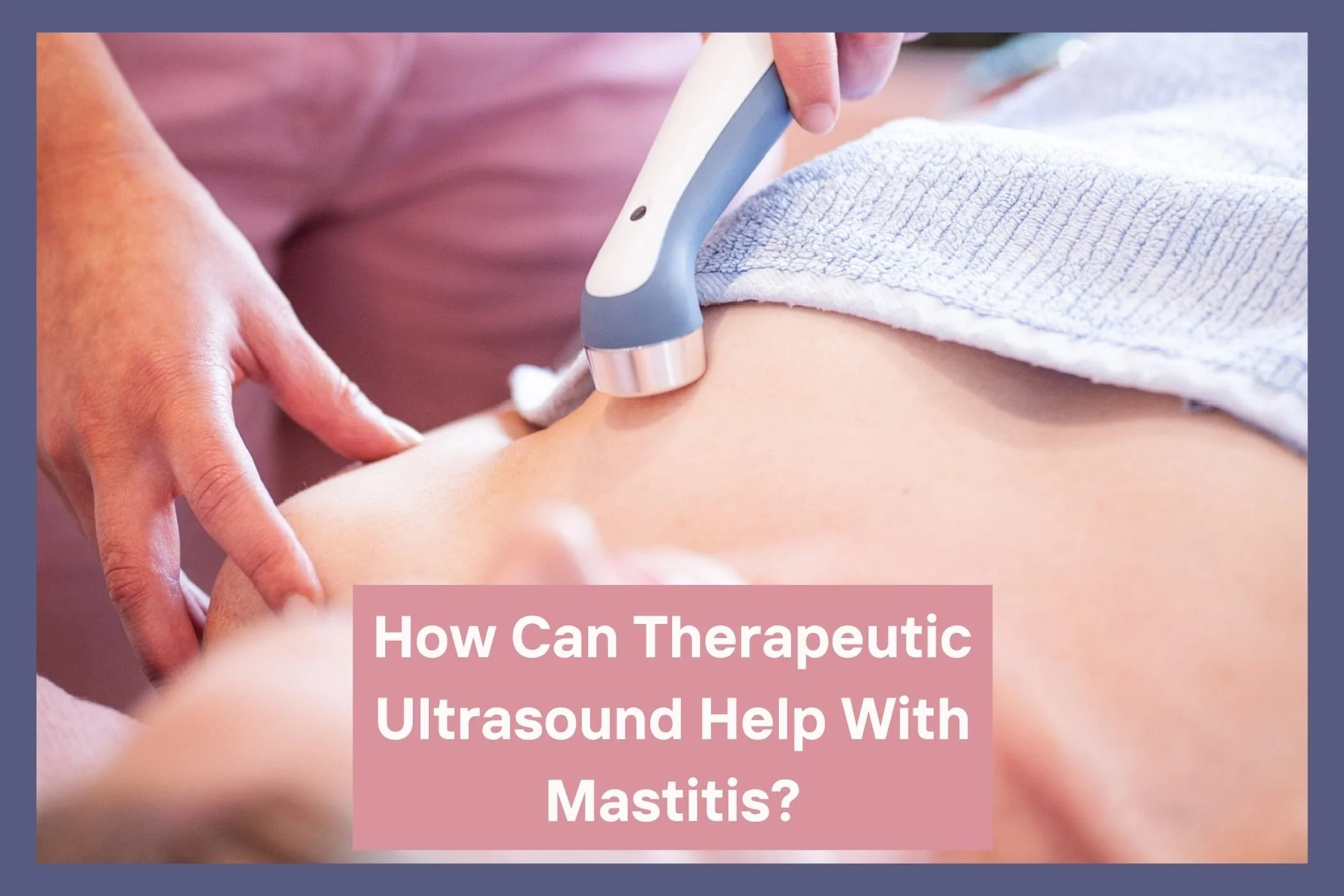
If therapeutic ultrasound is suitable for you and you'd like to try it, we include it as part of treatment. A small handheld ultrasound device is gently moved over the affected area using a conductive gel. Most people experience little or no discomfort, although some notice a mild warming sensation.
Treatment for mastitis is typically applied for approximately three to six minutes over the affected area.
Some people notice improvements in comfort or tissue softness within a single session, while others may require a few sessions. Every breastfeeding journey is different, and responses to treatment can vary, but we work with you to help you manage your mastitis beyond the treatment room.
Therapeutic Ultrasound Is One Part of Mastitis Care
Therapeutic ultrasound is just one part of the care we provide.
Treatment may also include:
hands-on osteopathic treatment
education about breastfeeding positions and feeding mechanics where appropriate
strategies to support comfortable milk drainage
advice for managing symptoms at home
support for neck, upper back and rib discomfort that can develop during breastfeeding
support for your baby if your baby is struggling with breastfeeding
Because mastitis can have multiple contributing factors, we tailor treatment to your individual presentation and work alongside your broader healthcare team where needed.
When Should You Seek Medical Care?
If you have mastitis symptoms and are feeling increasingly unwell, develop persistent fever, your symptoms continue to worsen, or you're concerned about your recovery, it's important to seek prompt medical advice.
We can also help you decide whether referral to your GP or another healthcare provider such as a lactation consultant may be appropriate as part of your care.
Looking for Support With Mastitis?
Breastfeeding can be incredibly rewarding, but it isn't always straightforward. When challenges arise, having the right support can make a real difference.
At Pivot Osteopathy, supporting women through pregnancy and the postpartum period is at the heart of what we do. If you're experiencing mastitis or breast discomfort while breastfeeding and would like individualised osteopathic support, we'd be happy to discuss whether treatment may be appropriate for you.



Disclaimer: This blog is for general informational purposes only and does not constitute the practice of medicine, osteopathy, nursing or other professional health care services, including the giving of medical advice, and no practitioner/patient relationship is formed. The use of information on this blog or materials linked from this blog is at the user's own risk. The content of this blog is not intended to be a substitute for professional medical advice, diagnosis, or treatment. Users should not disregard, or delay in obtaining, medical advice for any medical condition they may have, and should seek the assistance of their health care professionals for any such conditions.