Can Dry Needling Help Your Caesarean Scar?
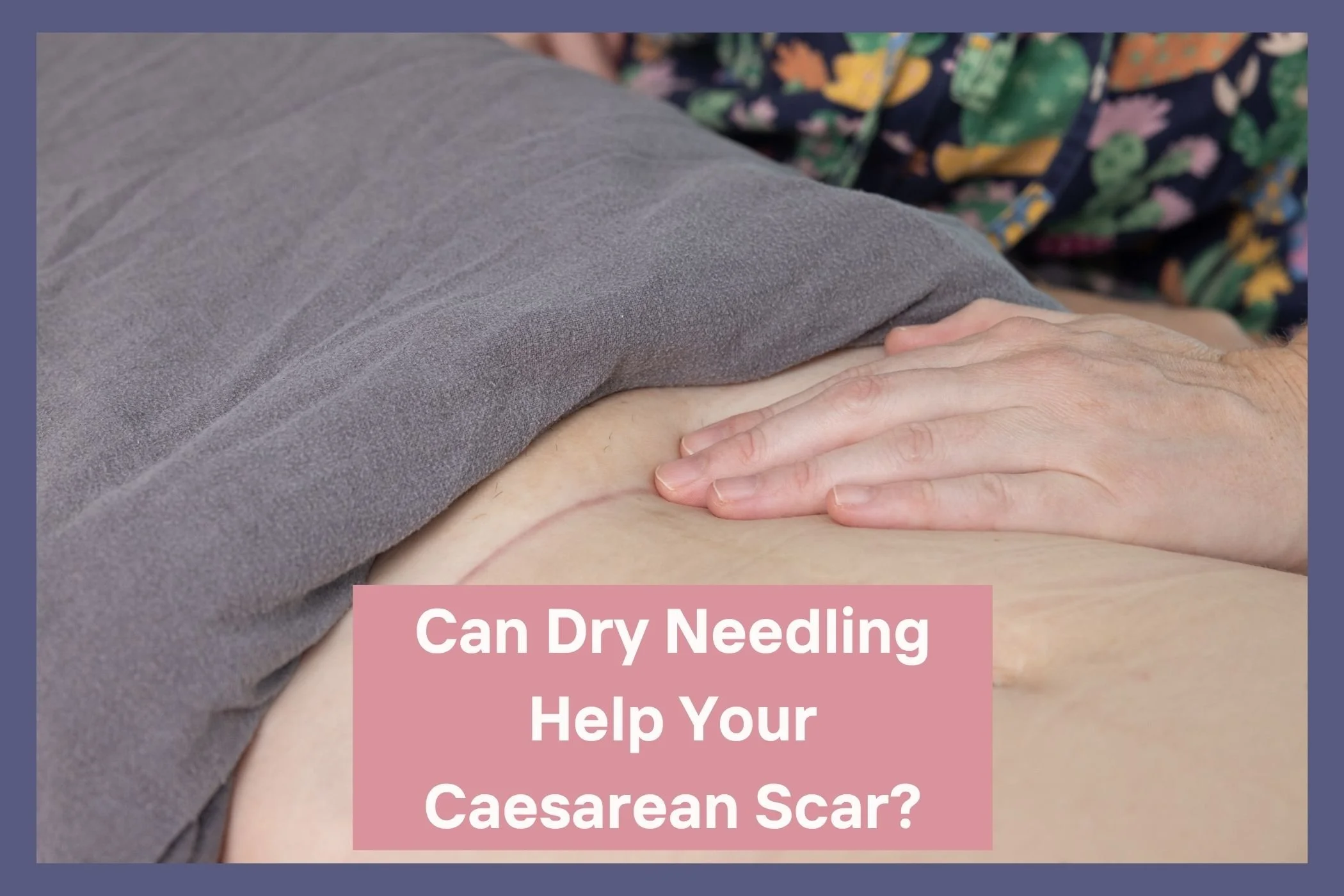
For some mums, a caesarean scar heals well and causes little trouble. For others, it can remain a source of tightness, discomfort, altered sensation, or concern long after birth.
If that sounds familiar, dry needling for your caesarean scar may be something worth exploring.
Why Can Caesarean Scars Cause Problems?
Scar tissue can become dense, restricted, or uncomfortable over time, and it can affect much more than just the skin surface.
When people experience tension around their scar, they may notice:
Tightness or pulling sensations
Numbness or altered sensation
Sensitivity or discomfort
Changes in movement or posture
Ongoing abdominal, pelvic, or lower back symptoms
These are some of the reasons people seek osteopathic care for their caesarean scars.
It's also important to remember that symptoms are rarely caused by a single factor. The way a scar feels can be influenced by the tissues around it, how the body moves, previous injuries, the nervous system, and a person's individual recovery experience.
Below, we'll explain what dry needling is and why it may be helpful as part of your caesarean scar recovery.
What Is Dry Needling?
Dry needling is a treatment technique that uses fine, sterile needles to target muscles, connective tissue, and areas of scar restriction.
Within osteopathic care, it may be used to support pain relief, improve tissue mobility, and encourage the body's natural healing processes.
Dry needling has a growing body of research supporting its use for surgical scars, including caesarean scars. Research suggests it may help improve scar appearance, pliability, pain, and stiffness, particularly when combined with other hands-on therapies (Lubczyńska et al., 2023).
How Does Dry Needling Work for Caesarean Scars?
Dry needling may influence scar tissue in several ways.
Research suggests it can help improve blood flow to the tissues around the scar, support tissue repair, and assist in releasing fibrotic tissue, commonly referred to as scar tissue (Fabbrocini et al., 2016).
By targeting the scar and the surrounding tissues, dry needling may help reduce tension through the different layers of skin, fat, connective tissue, and muscle that can be affected during caesarean birth and healing.
For some people, it may be particularly helpful when a scar feels deeply restricted, has changed over time, or appears to be influencing movement, posture, or pelvic health.
What Does a Dry Needling Session for Caesarean Scar Release Involve?
At Pivot Osteopathy, we begin with a thorough assessment of your scar and how it may be influencing the surrounding tissues, your posture, and your movement.
We assess the scar itself, looking at factors such as:
How the scar appears
How well it moves
Whether there are areas of thickening, restriction, or sensitivity
We also look beyond the scar. This may include assessing how the scar affects movement through your abdominal wall, pelvis, and overall posture.
We then discuss your treatment options, including whether dry needling may be appropriate for you.
If you decide that dry needling is something you would like to explore, it can be incorporated into your treatment plan. Because scar tissue can influence areas beyond the scar itself, treatment will often include techniques aimed at supporting the surrounding tissues as well.
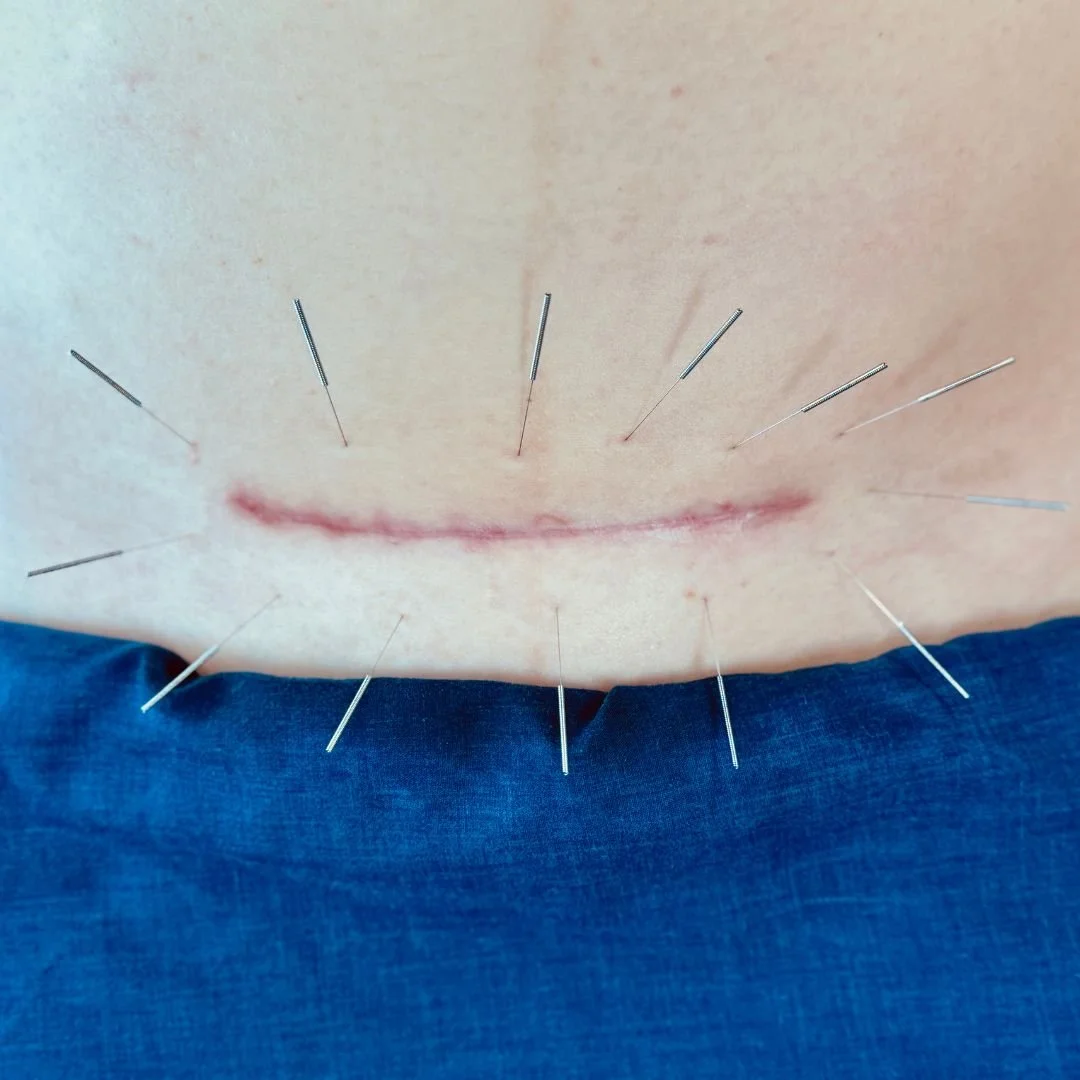
When treating a caesarean scar, needles may be placed beside the scar, above the scar, and below the scar. This is because the scar can influence the tissues around it, not just the scar line itself.
Everyone responds to dry needling differently, and sensations can vary from person to person. Some people experience very little discomfort, while others may notice:
A mild prick as the needle enters
A feeling of aching
Warmth or heaviness
A brief muscle twitch response
We work within your comfort level and are here to support you throughout the treatment process.
Dry Needling as Part of a Whole-Person Approach
Dry needling is just one part of the care we offer for caesarean scar recovery.
Depending on your presentation, treatment may also include:
Hands-on osteopathic treatment
Scar massage
Therapeutic ultrasound
Movement and rehabilitation advice
Education about recovery, posture, and load management
Our goal is to understand how your scar fits into your broader recovery experience and provide individualised care that reflects your needs.
You can read more about our whole-person approach to caesarean recovery in our other blog here.
Looking for Individualised Support?
At Pivot Osteopathy, dry needling for caesarean scars is provided by Dr Mikaela Ruetschi (osteopath), who has undertaken additional training in dry needling.
If you're already seeing one of our osteopaths, speak with them about whether incorporating dry needling with Mikaela may be helpful as part of your broader care plan.
If you would like to learn more about dry needling for caesarean scars, or explore the different ways osteopathic care may support your recovery, we welcome you to get in touch or book an appointment.
Every recovery journey is different, and finding the right approach starts with understanding your individual experience.
References
Fabbrocini et al. (2016)
Lubczyńska et al. (2023)

Disclaimer: This blog is for general informational purposes only and does not constitute the practice of medicine, osteopathy, nursing or other professional health care services, including the giving of medical advice, and no practitioner/patient relationship is formed. The use of information on this blog or materials linked from this blog is at the user's own risk. The content of this blog is not intended to be a substitute for professional medical advice, diagnosis, or treatment. Users should not disregard, or delay in obtaining, medical advice for any medical condition they may have, and should seek the assistance of their health care professionals for any such conditions.