
Can an osteopath help with pelvic girdle pain in pregnancy?
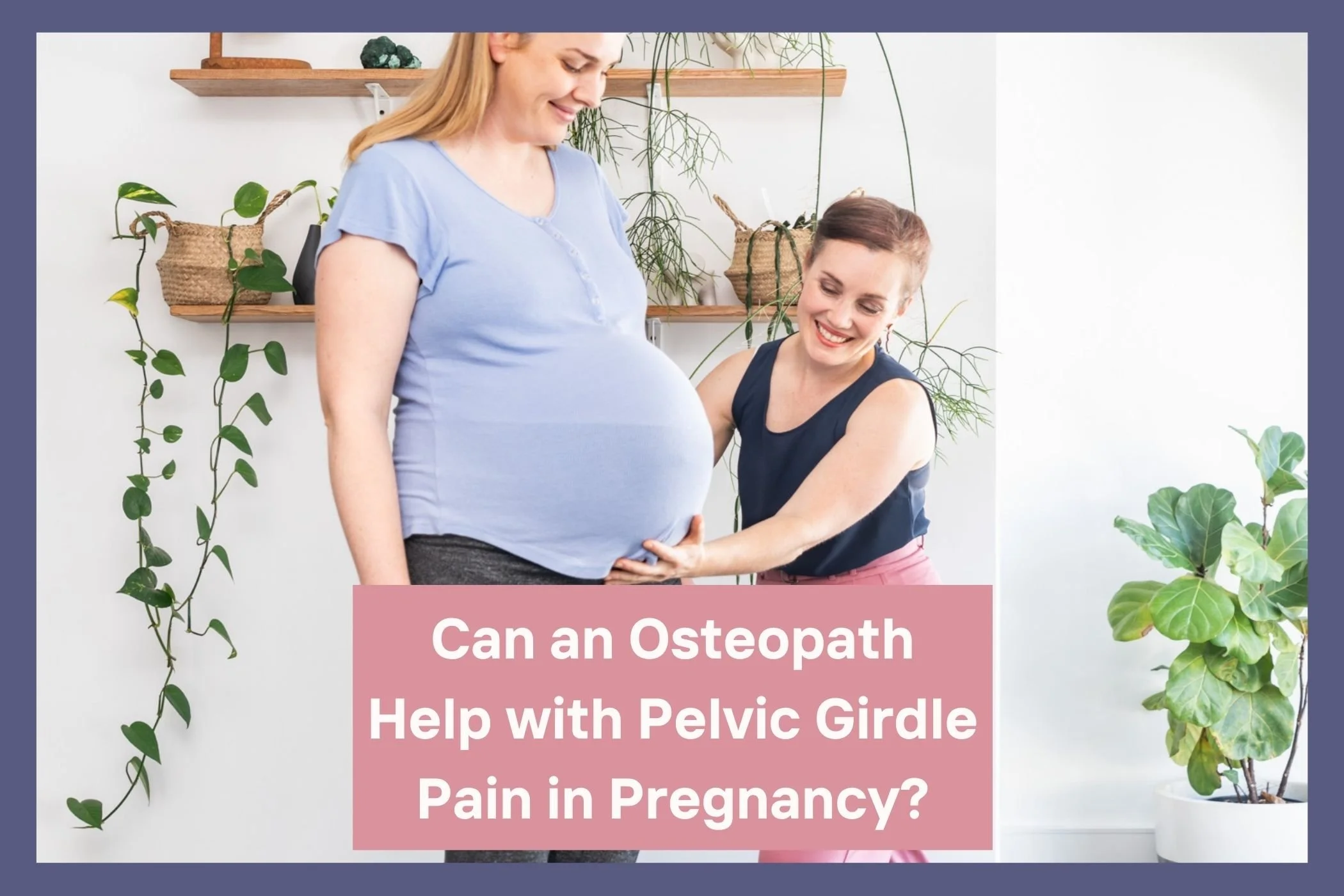
If pelvic girdle pain during pregnancy is making you think twice about how you get out of the car, roll over in bed or put your shoes on, you may be wondering what an osteopath can actually do to help.
You may have been told that pelvic pain is simply part of pregnancy and something you have to put up with until your baby arrives. But that’s not always true. Pregnancy asks your body to adapt to some big changes, but pain doesn’t have to be something you simply accept along the way. There are often practical things you can explore to support your body and make day-to-day movement easier.
Osteopathic care can be one of the ways you support your body through pregnancy. Alongside hands-on treatment, we can help you understand what may be contributing to your pain, look at the movements and activities that are bothering you, and explore practical strategies that fit with your body, your pregnancy and the things you’d like to keep doing.
How can an osteopath support pelvic girdle pain during pregnancy?
When you come to see us with pelvic girdle pain, we start by understanding what is happening for you.
That means talking about where you feel the pain, which movements aggravate it, what you can still do comfortably and what activities are important to you.
We also look at how your body as a whole is adapting to pregnancy. As your belly grows, your centre of gravity shifts and the way you manage load through your feet, knees, hips, pelvis, spine, abdominal wall and rib cage can all change.
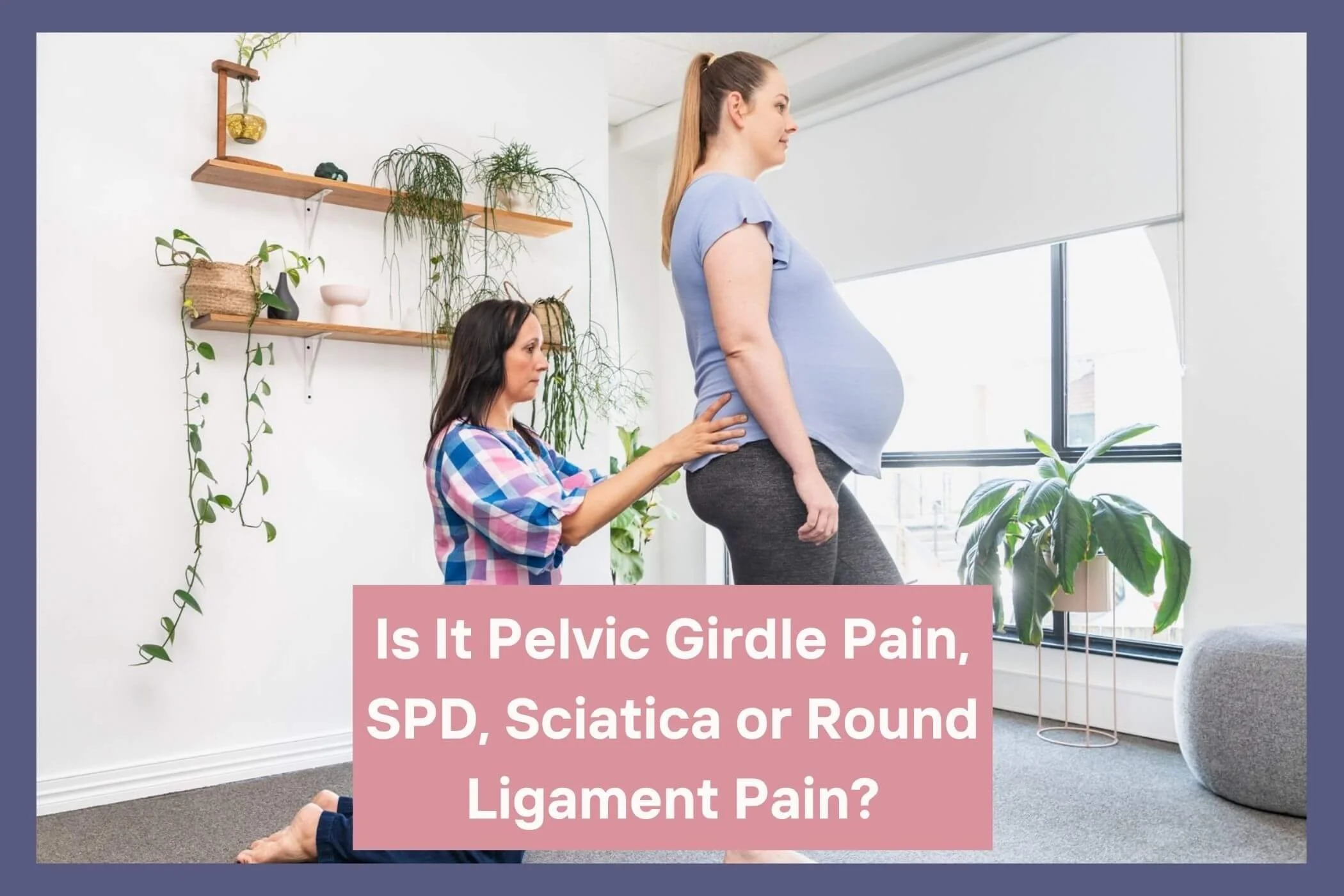
Sometimes the area that hurts is only one part of the picture. If another area seems relevant to how you are moving, loading or adapting, we may include it in our assessment and treatment approach.
From there, your care may include a combination of hands-on treatment, movement advice, exercises and practical strategies for daily life.
The exact approach will depend on what we find, what you would like help with and what feels appropriate for you.
What does hands-on osteopathic treatment involve during pregnancy?
Hands-on treatment is one part of osteopathic care, but we’re not only looking at the area that hurts.
Pregnancy changes the way your whole body manages load. As your belly grows, your centre of gravity shifts, the way force moves through your feet, knees and hips can change, your abdominal wall is adapting, and your rib cage is making room as your baby grows upwards.
We may also consider structures around the pelvis and abdomen, including the round ligaments, and how they are responding to the changing demands of pregnancy.
Depending on what we find, hands-on treatment might involve areas such as the feet, legs, hips, pelvis, lower back, abdomen or rib cage. The aim is to work with the parts of your body that seem relevant to how you are moving and adapting, rather than focusing only on the painful spot.
Treatment can also be adapted around your growing belly and your comfort. You don’t have to lie flat on your back or stay in any position that doesn’t feel right for you.
Hands-on treatment is only one part of the picture. We’re also interested in how all of this carries over into the things you actually need to do — walking, sleeping, getting in and out of the car, exercising, working or looking after other children.
How can an osteopath help with everyday movements that aggravate pelvic girdle pain?
This can be an important part of an osteopathic consultation for pelvic girdle pain.
Rather than giving everyone the same list of movements to avoid, we can look at the particular activities that are difficult for you and explore whether changing how you approach them feels more comfortable.
Getting in and out of the car is a good example.
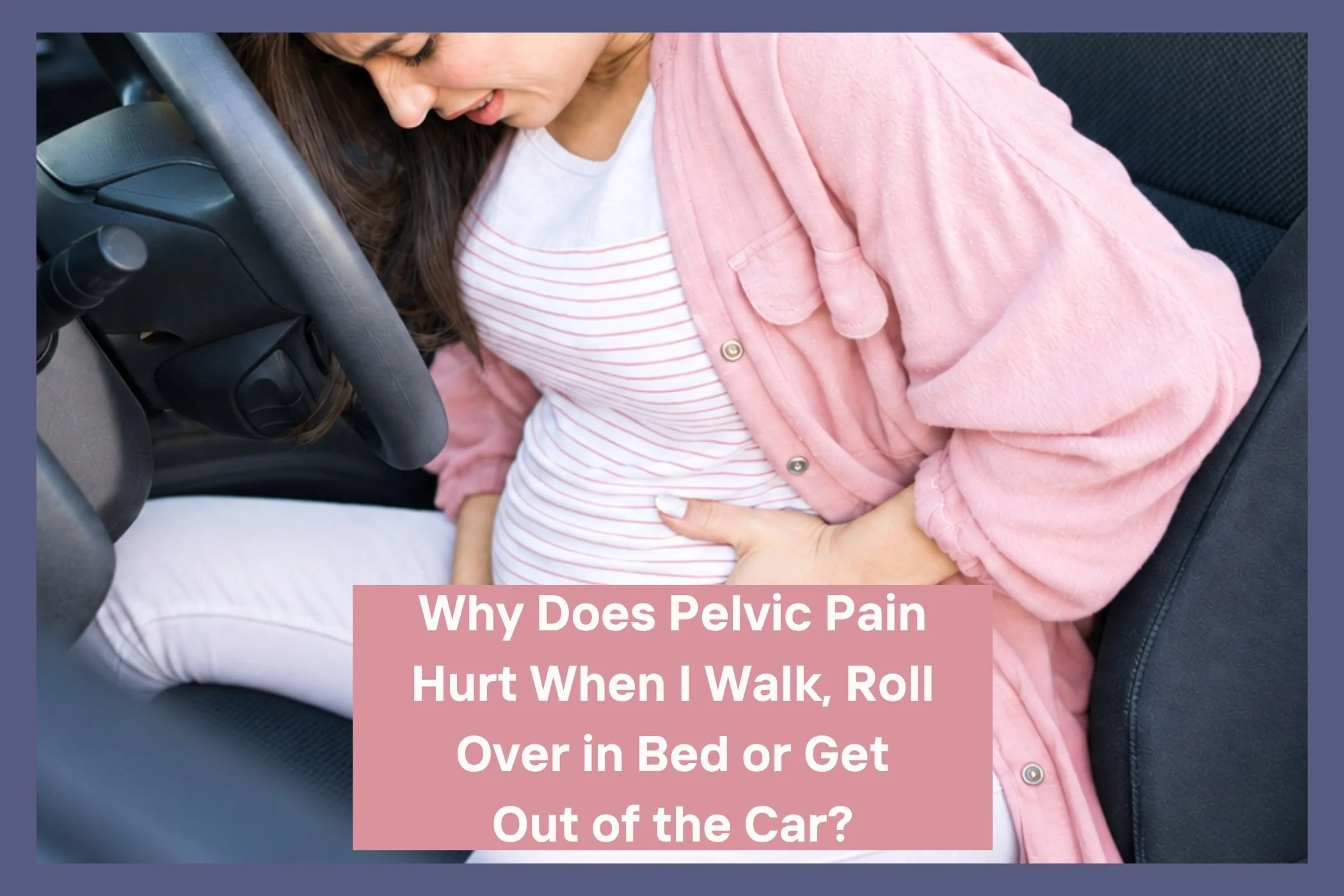
If this is one of your aggravating movements, we might look at how you are currently doing it and experiment with different options. That could include sitting down before bringing your legs into the car, changing the position of your seat, or altering how you turn and transfer your weight.
Rolling over in bed can be another frustrating one. We can explore how you use your legs, arms and trunk during the movement and whether a different strategy feels easier for you.
The same approach can be used for things such as:
getting dressed
climbing stairs
getting up from the floor
carrying a toddler
walking
exercise
housework
getting into and out of bed.
There isn’t one perfect technique that every pregnant person with pelvic girdle pain needs to follow.
Instead, we can help you explore different options and find strategies that make sense for your particular symptoms and daily life.
Will an osteopath give me exercises for pelvic girdle pain?
Possibly, although we don’t give everyone with pelvic girdle pain the same exercise programme.
If exercise seems useful for you, we can look at what you are already doing, which movements are comfortable and what you would actually like to be able to do.
For one person, we might explore comfortable hip or leg strengthening. For another, movement coordination, mobility or adapting an existing exercise may be more relevant.
If you already have an activity you enjoy, the conversation may be about how you can modify it rather than automatically stopping it.
And sometimes the most useful thing to take home isn’t a formal exercise at all. It may be a different way of approaching one particular movement that has been repeatedly aggravating your symptoms.
The aim is to give you advice that is relevant enough to actually fit into your life.
Does pelvic girdle pain mean I won’t be able to have a vaginal birth?
You may be feeling a bit worried that pelvic girdle pain will get in the way of having the vaginal or physiological birth you’re hoping for, but it doesn’t necessarily mean that at all.
What can help is spending some time finding movements and positions that feel comfortable for your body. We can explore different active birthing positions with you and work out how they might be adapted around your pelvic pain, so you have a few options that feel familiar before labour.
Is the pelvic floor involved in pelvic girdle pain?
The pelvic floor can be part of the picture with pregnancy-related pelvic girdle pain. It works closely with the pelvis, hips, abdominal wall and breathing system, so changes in tension, coordination or how you are managing load may be relevant for some people.
If your pelvic floor seems to be contributing, we can include it as part of the broader assessment rather than looking at the painful area in isolation. That might mean exploring how well the pelvic floor can contract and relax, how it is working with your breathing and abdominal wall, and whether it seems to be holding more tension around the pelvis.
At Pivot, pelvic health assessment can be included during pregnancy when it is relevant to your symptoms and what you would like help with. Any internal assessment is always optional.
If you’re curious about why you might have a pelvic health assessment during pregnancy, we’ve written more about that in our blog, Five Reasons to get Your pelvic floor Checked during pregnancy, including how it can be used as part of birth preparation.
Can an osteopath help with pelvic girdle pain in pregnancy?
Pelvic girdle pain can make pregnancy feel harder than it needs to.
We can help you make sense of what may be contributing and explore treatment and practical strategies that feel right for you.
If you’d like some support with your pelvic girdle pain during pregnancy, you can book an appointment with one of our osteopaths.
Disclaimer: This blog is for general informational purposes only and does not constitute the practice of medicine, osteopathy, nursing or other professional health care services, including the giving of medical advice, and no practitioner/patient relationship is formed. The use of information on this blog or materials linked from this blog is at the user's own risk. The content of this blog is not intended to be a substitute for professional medical advice, diagnosis, or treatment. Users should not disregard, or delay in obtaining, medical advice for any medical condition they may have, and should seek the assistance of their health care professionals for any such conditions.