
Pelvic Girdle Pain in Pregnancy: Why a Whole-Body Approach Matters
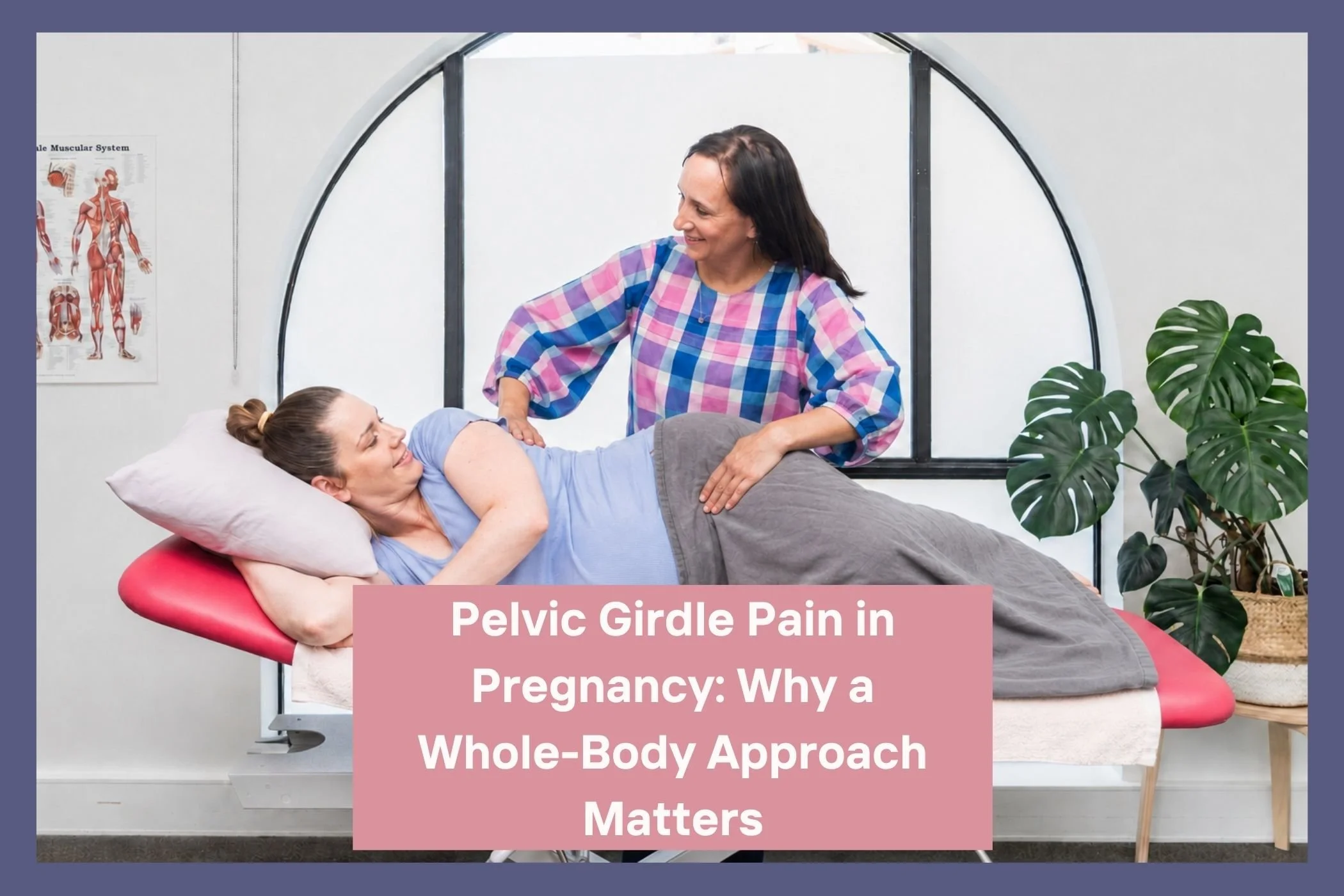
Has walking, rolling over in bed or getting out of the car become much harder than it used to be?
Pelvic girdle pain can make it feel as though your pelvis is falling apart. It is not—but the pain and disruption can still be very real.
If this sounds familiar, we want you to know two things. First, pelvic girdle pain is common, and you have not done anything wrong. Second, it can be genuinely hard. The effect it has on your sleep, movement, mood and day-to-day life deserves to be taken seriously rather than dismissed as “just part of pregnancy.”
What Is Pelvic Girdle Pain?
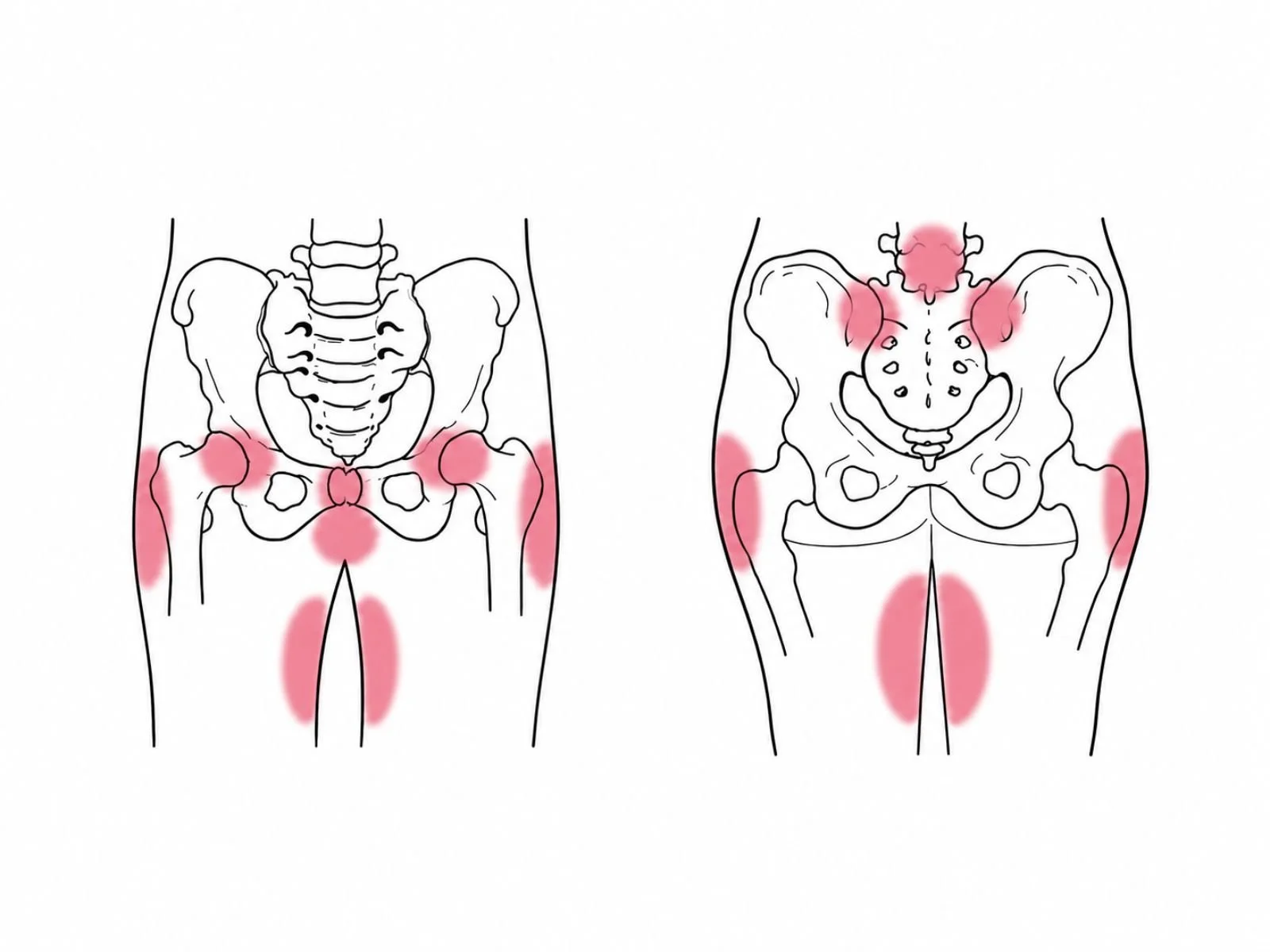
Pelvic girdle pain, often shortened to PGP, describes pain felt around the joints and tissues of the pelvis during pregnancy. It affects approximately one in five pregnant women.
You may also hear it called pregnancy-related pelvic girdle pain or symphysis pubis dysfunction (SPD). Terms such as “pelvic instability” and “pelvic joint syndrome” have also been used in the past, although PGP is now the preferred term.
“Lightning crotch” is sometimes used when people talk about pelvic pain in pregnancy. It is a sudden, brief, shooting pain in the vaginal or pelvic area. Lightning crotch is slightly different to PGP, but we see women for both issues during pregnancy.
In PGP, pain may be felt around:
the pubic bone at the front of the pelvis
one or both sacroiliac joints at the back of the pelvis
the sides of the pelvis, hips or buttocks
the lower back, groin, perineum or thighs
It may feel like an ache, a sharp or shooting pain, or a deep muscular pain. Symptoms can range from mild discomfort to pain that makes walking, working, sleeping or caring for other children very difficult.
In PGP, pain can be made worse by:
walking or standing for longer periods
climbing stairs
standing on one leg to get dressed
getting in and out of the car
rolling over or getting out of bed
moving the legs apart
bending, lifting or carrying a child
Symptoms can begin at different stages of pregnancy and may sometimes continue after your baby is born.
Why Does Pelvic Girdle Pain Happen?
Pregnancy asks a lot of the body. As a baby grows, hormonal changes occur throughout pregnancy to help the body adapt, and this involves more than the hormone relaxin that often gets all the attention. Shifting levels of oestrogen can also play a role in how the ligaments, muscles and joints of the pelvis respond to the changing load they are carrying.
How well a person adapts to these changes depends on more than hormones alone. Previous injuries, old movement patterns and the way we habitually use our bodies can all influence how the pelvis and surrounding structures cope with the demands of a growing baby. When the body is struggling to adapt, whether that is due to an old injury, a restriction elsewhere in the body or simply the cumulative load of pregnancy, extra stress can be placed on the ligaments and muscles supporting the pelvis.
All of these factors can combine and lead to you experiencing PGP.
Treating PGP: There’s No One-Size-Fits-All Approach
Because pelvic girdle pain can present so differently from person to person, we don’t believe in a one-size-fits-all treatment plan. What works well for one person may not be the right fit for another, and part of our role is to take the time to understand your individual presentation, history and daily life before recommending a way forward.
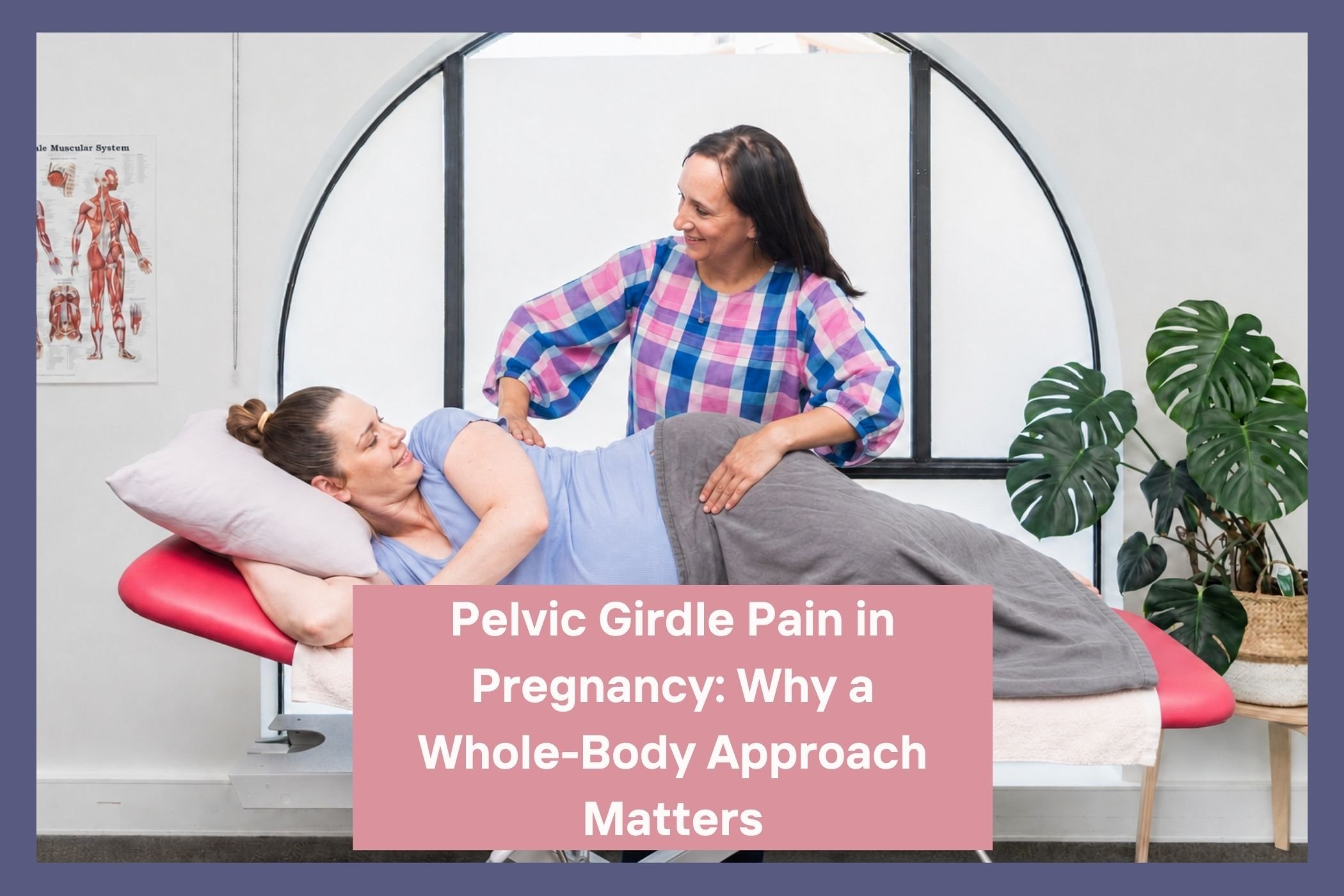
This is where an osteopathic, whole-person, whole-body approach can be genuinely helpful. Rather than focusing only on the site of pain, we look at how the whole body is moving and functioning because restrictions elsewhere—in the diaphragm, the hips, the spine or even old injuries from years earlier—can influence how well the pelvis and lower back are able to move and share load.
Can Osteopathy Be a Supportive Treatment Option for PGP?
Many people seek osteopathic care for pelvic girdle pain because they want an individual assessment and a plan that considers more than the painful area. Some may also be looking for another perspective when their symptoms have not improved as expected.
At Pivot Osteopathy, pregnancy and pelvic health are important areas of our work. Depending on what we find and what feels right for you, treatment may draw on a combination of approaches, including:
Manual therapy, looking at the whole body rather than just the painful area, to help ease restrictions that may be influencing how well the pelvis and lower back are moving.
Stress reduction strategies and education, as stress can genuinely influence tension held in the body, and easing that tension can be part of easing pain. This can include education around ways to move and support your body to help relieve pain.
Mobility, stretching and strengthening exercises, tailored to your body, your stage of pregnancy and what you can manage day to day.
Internal pelvic floor release, which can be effective for some people. The pelvic floor muscles attach directly into the pelvic bones, so when these muscles are holding increased tone, they can be a driver of pelvic pain or help perpetuate it. Internal pelvic floor release work can be one way of helping to reduce that tension and, in turn, reduce pain. Please know that this treatment option is always your choice.
You Don’t Have to Just Push Through It
Pelvic girdle pain can feel isolating, particularly when it disrupts things that once felt simple, like walking the dog, getting out of the car or turning over in bed. Support is available, and treatment can make a genuine difference to how you move and feel for the rest of your pregnancy.
If this sounds familiar, we would love to help you understand what is going on in your body and work with you to find a way forward that suits you.
Disclaimer: This blog is for general informational purposes only and does not constitute the practice of medicine, osteopathy, nursing or other professional health care services, including the giving of medical advice, and no practitioner/patient relationship is formed. The use of information on this blog or materials linked from this blog is at the user's own risk. The content of this blog is not intended to be a substitute for professional medical advice, diagnosis, or treatment. Users should not disregard, or delay in obtaining, medical advice for any medical condition they may have, and should seek the assistance of their health care professionals for any such conditions.