
What Is Coccyx (Tailbone) Pain — and Why Do I Have It?

Tailbone pain is a common reason people ask, “Why does it hurt to sit — when I haven’t really injured myself?”
If you’ve noticed pain at the very bottom of your spine when sitting, standing up, or moving in certain ways, you’re not alone. Coccyx (tailbone) pain can feel confusing and frustrating, particularly when it comes on gradually or without a clear cause.
Let's explore what coccyx pain is, why it can occur, and why there is often more than one contributing factor.
What Is Coccyx (Tailbone) Pain?
Coccyx pain — also called coccygodynia or coccydynia — refers to pain felt in or around the coccyx (tailbone).
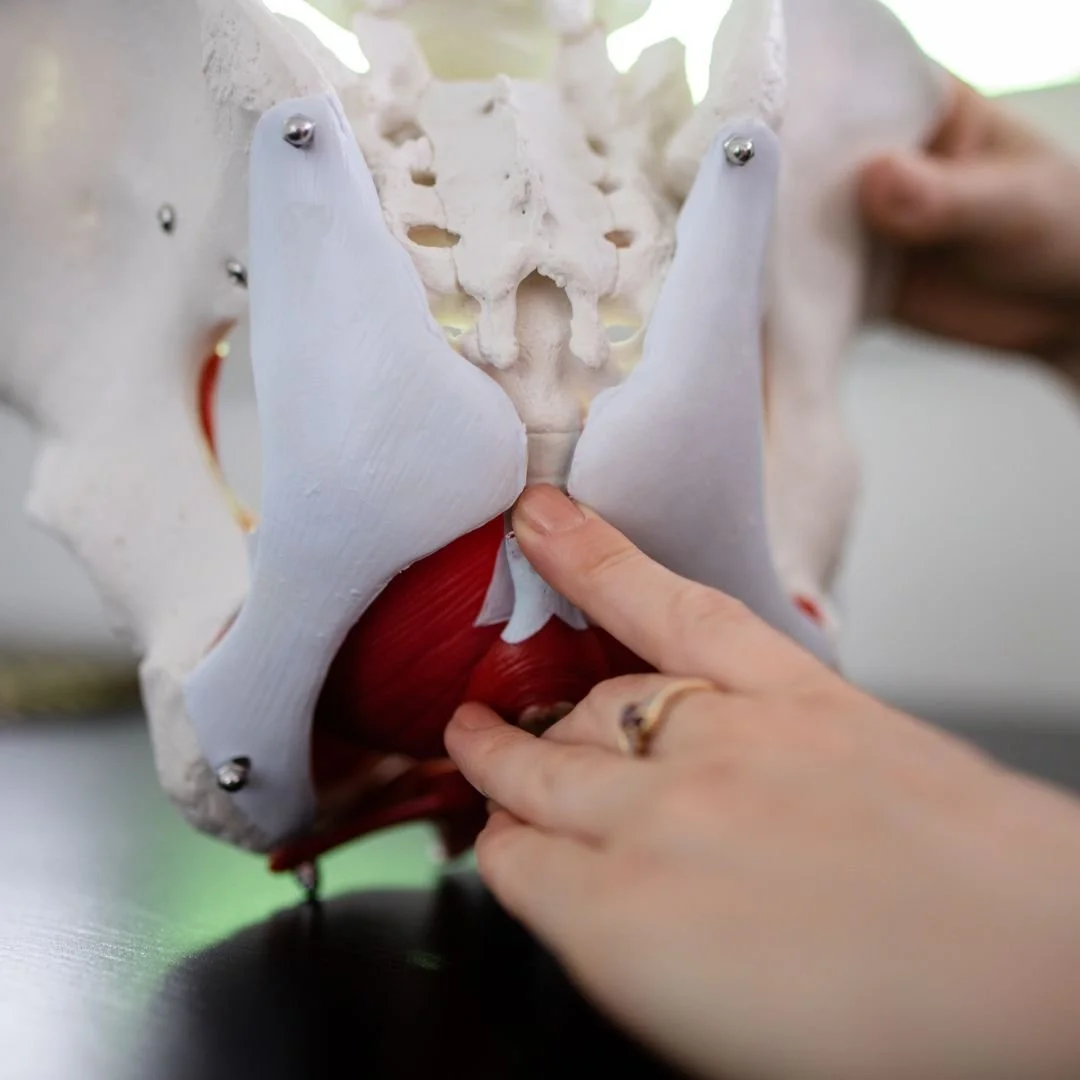
The coccyx is a small triangular bone located at the very end of your spine. Pain in this area can arise from the coccyx itself, the joints around it, or the muscles and ligaments that attach to it. For some people, coccyx pain follows a clear injury. For others, symptoms develop gradually without a single identifiable cause.
What Does Tailbone (Tailbone) Pain Feel Like?
Coccyx pain is commonly described as a dull or aching pain, though it can occasionally feel sharp. It is often — but not always — worse when sitting, particularly on hard surfaces.
People may notice pain:
When sitting down, especially when leaning backwards or slouching
When moving between sitting and standing
With bowel movements, sex, coughing, or sneezing
When pressing on the tailbone area
The exact pattern and triggers can vary from person to person.
Where Is the Coccyx (Tailbone) — and What Does It Do?
The coccyx sits within your pelvis at the very end of your spine. It usually consists of three to five small vertebrae, which may or may not be fused together. No two coccyx bones are exactly the same.
The coccyx forms a joint with the sacrum (the triangular bone between your hip bones), known as the sacrococcygeal joint. This joint is designed to allow a small amount of movement. Clinically, people with coccyx pain may have either too little movement (stiffness) or too much movement (hypermobility).
What Does the Coccyx (Tailbone) Do?
Despite its small size, the coccyx plays several important roles:
It provides an attachment point for muscles and ligaments, including parts of the pelvic floor and gluteal (buttock) muscles
It helps balance your pelvis when sitting
It provides support to structures at the back of the pelvic floor
Because of these connections, coccyx pain is often influenced by how the pelvis, muscles, and surrounding tissues work together.
What Causes Coccyx (Tailbone) Pain?
Coccyx pain rarely has a single cause. Instead, it often reflects a combination of joint mechanics, muscle tension, ligament strain, posture, and individual history.
Common contributing factors include:
A direct fall or impact onto the tailbone
Prolonged labour, where sustained pressure is placed on the coccyx
Pregnancy-related ligament relaxation, which may increase movement at the sacrococcygeal joint
Pelvic floor muscle tension
Prolonged sitting, particularly with postures that increase tailbone pressure
Postural or movement imbalances elsewhere in the body
Gradual onset of pain with no clear trigger
Not everyone with these factors develops pain, which highlights how individual coccyx pain can be.
When Is Coccyx (Tailbone) Pain Commonly Felt?
Coccyx pain is commonly reported:
When sitting, especially on hard surfaces
When leaning backwards or slouching
When transitioning between sitting and standing
With bowel movements, sex, coughing, or sneezing
When pressing directly on the coccyx
These patterns often relate to how load and tension are managed through the pelvis.
Who Is More Likely to Experience Coccyx (Tailbone) Pain?
While anyone can experience coccyx pain, certain anatomical, biomechanical, and life-history factors appear more commonly in people who develop symptoms.
People may be more likely to experience coccyx pain if they:
Are female
Have been pregnant or given birth
Have pelvic floor muscle tension
Have certain coccyx shapes or positions
Have a hypermobile or stiff coccyx
Have a short perineum combined with a difficult labour
Have experienced rapid weight loss
Have a higher body weight
Have a bony spicule at the tip of the coccyx
Are aged between 30 and 50
These factors do not mean pain is inevitable — they help explain why coccyx pain occurs for some people and not others.
How Is Coccyx (Tailbone) Pain Assessed?
Assessment typically involves taking a detailed history and performing a physical examination. Because coccyx pain is highly individual, your personal history and symptom pattern are important.
In some cases, imaging such as X-ray, MRI, or CT scans may be used to assess coccyx position or rule out other conditions.
How do you treat coccyx (tailbone) pain?
There is no single standard treatment for coccyx pain, as contributing factors vary between individuals.
Management options may include:
Cushions or donut pillows
Heat or ice
Pain-relieving medication
Lifestyle or activity modifications
Exercises
Manual therapy such as osteopathy
Injections in some cases
Surgery, when no other options are appropriate
Many cases of coccyx pain improve within weeks to months, while others may benefit from a more individualised approach.
Do you want help understanding your coccyx pain?
Tailbone pain can have many contributing factors, and it’s rarely caused by just one thing. Understanding how your body, pelvis, muscles, and nervous system interact can be a helpful part of making sense of your symptoms.
If your tailbone pain is persistent, worsening, or affecting your quality of life, seeking individualised care may help you better understand what’s going on for your body and what support might be appropriate.
If you’d like to explore this further, you’re welcome to reach out or book an appointment with us. We’re always happy to help guide you toward the next step that feels right for you.



Disclaimer: This blog is for general informational purposes only and does not constitute the practice of medicine, osteopathy, nursing or other professional health care services, including the giving of medical advice, and no practitioner/patient relationship is formed. The use of information on this blog or materials linked from this blog is at the user's own risk. The content of this blog is not intended to be a substitute for professional medical advice, diagnosis, or treatment. Users should not disregard, or delay in obtaining, medical advice for any medical condition they may have, and should seek the assistance of their health care professionals for any such conditions.