Caesarean Birth Scar and Recovery Support
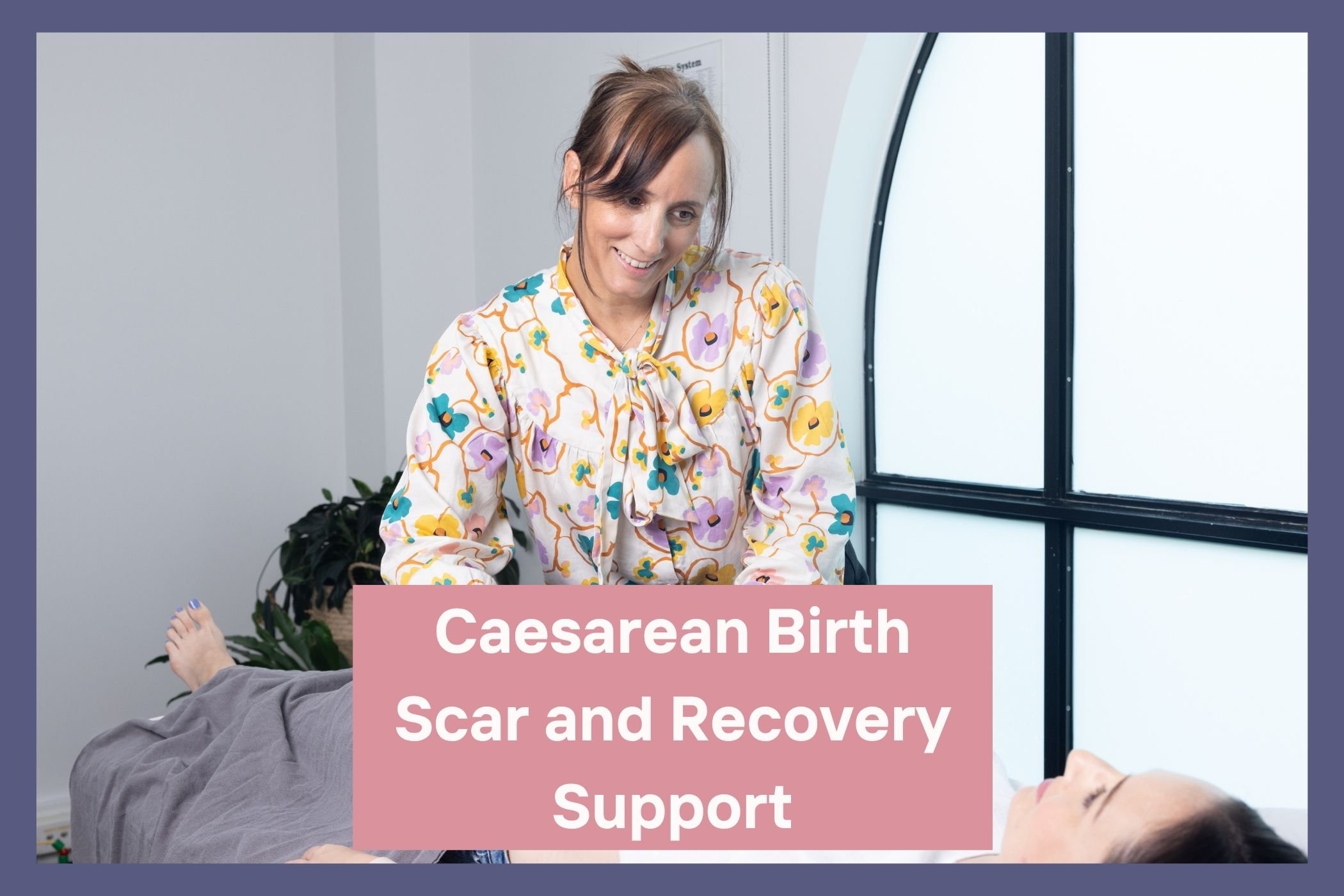
Caesarean Birth Scar and Recovery Support
In Australia, over a third of birthing mums welcome their babies via Caesarean section, or how we like to refer to it, a Caesarean birth. Time and time again, patients visit our clinic expressing disappointment about the lack of comprehensive information available to help them recover effectively after a Caesarean birth.
Many women experience common musculoskeletal symptoms following a Caesarean birth, including scar pain, nerve pain, hip and lower back pain, as well as pelvic health symptoms such as incontinence, pain during intimacy, and general pelvic pain. For some people, these concerns can feel overlooked in standard postpartum care.
At Pivot Osteopathy, we are passionate about supporting women during their postpartum period, especially those who have experienced a Caesarean birth. We understand that recovery involves more than healing a surgical wound — it can also involve reconnecting with your body and rebuilding confidence in its abilities.
Our approach aims to help you feel more comfortable in your body again while supporting your recovery and overall wellbeing following Caesarean birth.
Our Approach to Caesarean Birth Recovery
We offer tailored appointments specifically designed for mothers who have given birth via Caesarean birth. These comprehensive sessions involve an integrative approach that addresses your unique needs.
What happens during a consultation?
A thorough case history is taken during your initial consultation to allow us to gain a complete picture of your birth experience, recovery journey, and current concerns. We explore not only your physical symptoms, but also your medical history, previous treatments, lifestyle factors, and personal goals.
This comprehensive understanding helps us develop an individualised treatment approach that considers potential contributing factors to your discomfort, not just the symptoms themselves. We believe that listening carefully to your story is an important part of effective care.
Meeting You Where You Are At
We meet you exactly where you are in your healing journey, whether you're six weeks or six years postpartum. Every recovery path is different, and we honour yours.
We acknowledge that some Caesarean births are planned while others are unexpected. Your scar may represent a birth experience you didn't anticipate. Our clinic aims to create a safe and supportive environment where you can discuss your health concerns and feelings about your birth experience.
We take a Whole-Body Approach to Recovery
Our approach looks beyond the scar itself to understand how your entire body may have adapted following pregnancy, birth, and surgery.
This includes considering:
The impact of your scar on the fascial system throughout your body
How your musculoskeletal system may affect your scar and overall recovery
The connection between emotions, stress, the nervous system, and physical healing
Caesarean Scar Assessment
We assess how your whole body may influence your scar, and how your scar may be affecting the rest of your body.
This may include:
Postural and Movement Assessment
We observe how your body moves and functions around the scar area, including breathing patterns, abdominal control, posture, and whole-body movement strategies.
Direct Scar Assessment
We assess factors such as scar mobility, tissue sensitivity, surrounding tension, and comfort with movement. This can help guide treatment and support your ongoing recovery.
Hands-On Treatment for Caesarean Scar Recovery
Depending on your needs and stage of healing, treatment may include a combination of gentle manual therapy techniques aimed at improving comfort, movement, and body awareness. These may include:
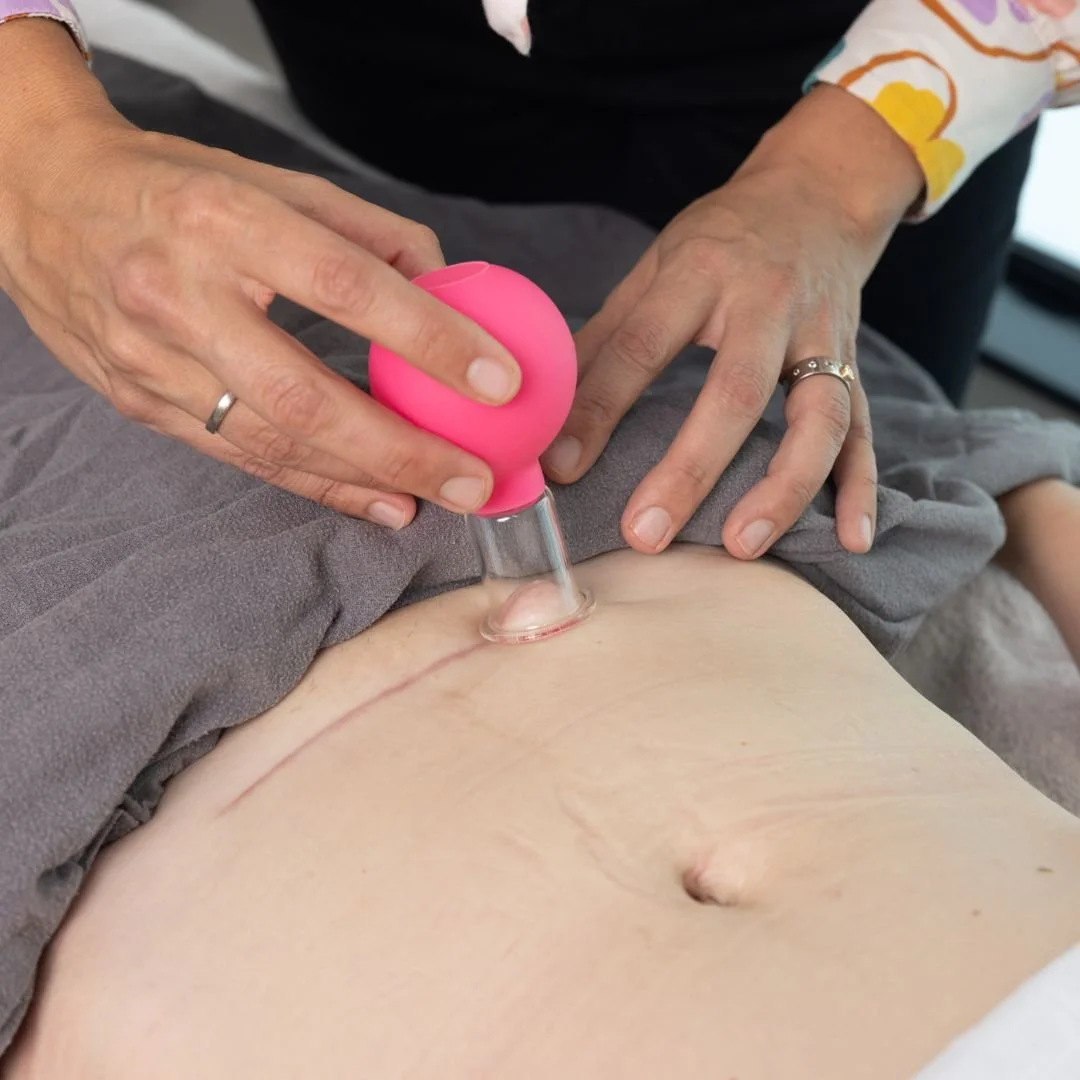
Direct and indirect scar work to improve mobility and reduce adhesions
Myofascial release to address whole-body tension patterns
Cupping therapy to support blood flow and tissue mobility
Gentle stretching and mobilisation to restore movement
Ultrasound therapy
Dry needling (with Dr Mikaela Ruetschi only)
Treatment is always tailored to you as an individual. The goal is not simply to “treat the scar,” but to support your body as a whole and reduce unnecessary strain through the musculoskeletal and nervous systems.
Education and Empowerment
We believe in empowering you with knowledge and skills to support your ongoing recovery.
This may include education around:
Scar desensitisation
At-home scar release techniques
Targeted mobility exercises
Progressive strengthening
Silicone scar patches
The importance of breathing and stress management
Our ultimate goal is to help you regain confidence in your body and support you in achieving your personal health and wellness goals, whatever they may be.
Many people are surprised to learn that pelvic floor symptoms can still occur after a Caesarean birth. Pregnancy itself places significant load on the pelvic floor, abdomen, diaphragm, and surrounding support systems.
If you are experiencing symptoms such as pelvic heaviness, bladder urgency, leakage, pelvic pain, or discomfort during intimacy, a pelvic health assessment may be helpful.
At Pivot Osteopathy, Dr Elizabeth Johns, Dr Sarah Dryburgh, and Dr Alison Spink have additional training in pelvic health and provide comprehensive pelvic floor assessments as part of a whole-person approach to postpartum care.
Would you like support with your caesarean recovery?
Every Caesarean birth recovery is different. While some people recover quickly, others may benefit from additional support as they return to daily activities, exercise, work, or caring for their family.
If you would like support understanding your recovery, addressing ongoing discomfort, or reconnecting with your body after birth, our team is here to help guide you through an individualised and supportive approach to care.
Disclaimer: This blog is for general informational purposes only and does not constitute the practice of medicine, osteopathy, nursing or other professional health care services, including the giving of medical advice, and no practitioner/patient relationship is formed. The use of information on this blog or materials linked from this blog is at the user's own risk. The content of this blog is not intended to be a substitute for professional medical advice, diagnosis, or treatment. Users should not disregard, or delay in obtaining, medical advice for any medical condition they may have, and should seek the assistance of their health care professionals for any such conditions.